The seismic shock emanating from Thursday’s U.S. Supreme Court decision striking down affirmative action in higher education will reverberate through college campuses across the country, but those waves will be at most a ripple in Wyoming.
The ruling means colleges and universities can no longer consider race in their admissions processes.
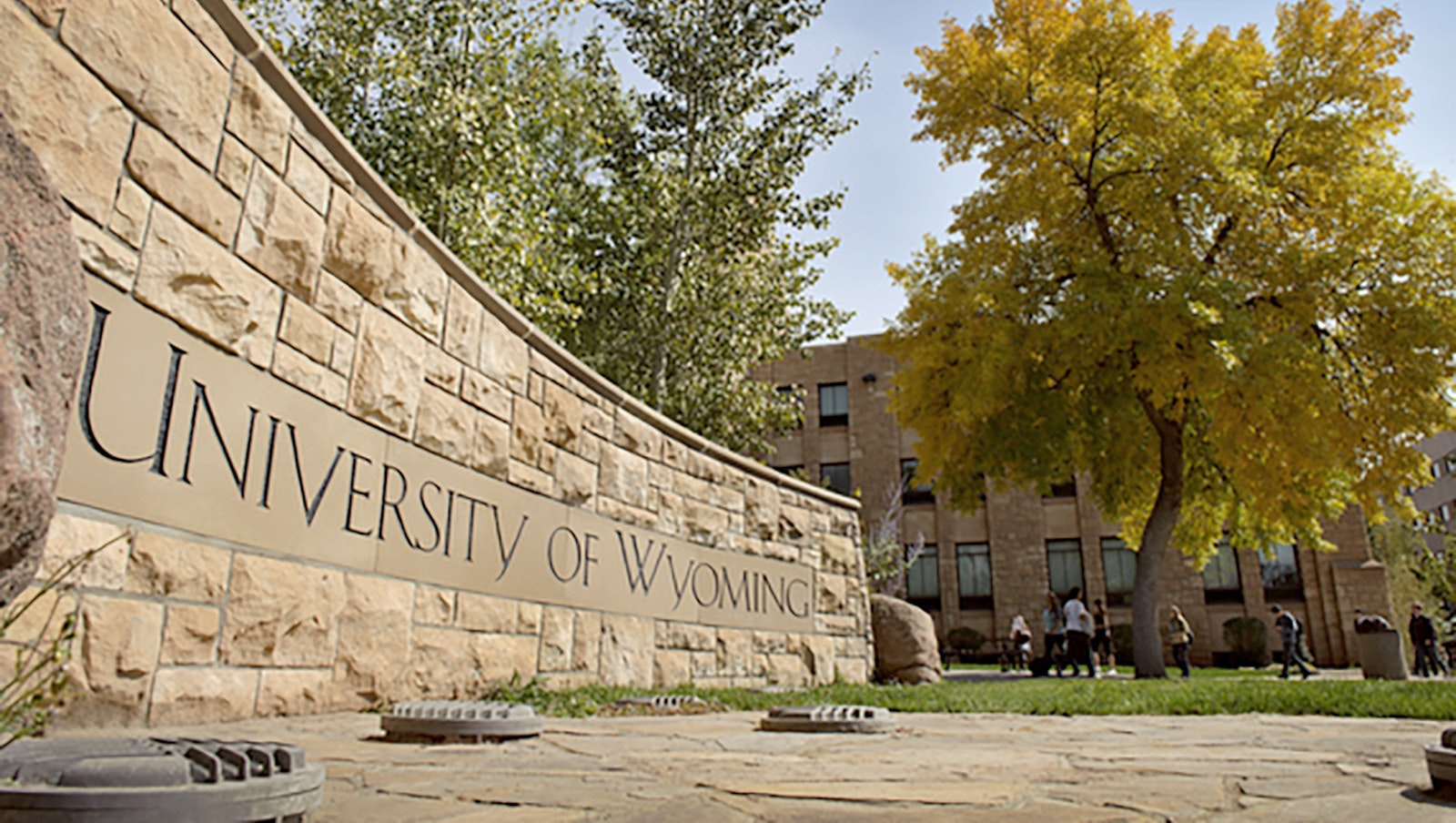
A spokesperson for the University of Wyoming told Cowboy State Daily the decision won’t affect the Cowboy State’s only four-year public university because its “admissions practices don’t include any race-based considerations.”
Unless overturned at some point in the future, Thursday’s decision will prevent the university from employing any of those practices down the road.
Some in Wyoming have accused the University of Wyoming of drifting left politically in its policies and the types of academic courses offered, which the university and its president, Ed Seidel, have mostly denied.
During this past spring semester, 75% of UW students were white, with Black students making up 0.9% of the student population. The faculty and staff is a bit more diverse group, according to 2019 figures provided by the University, with white staff making up 63%.
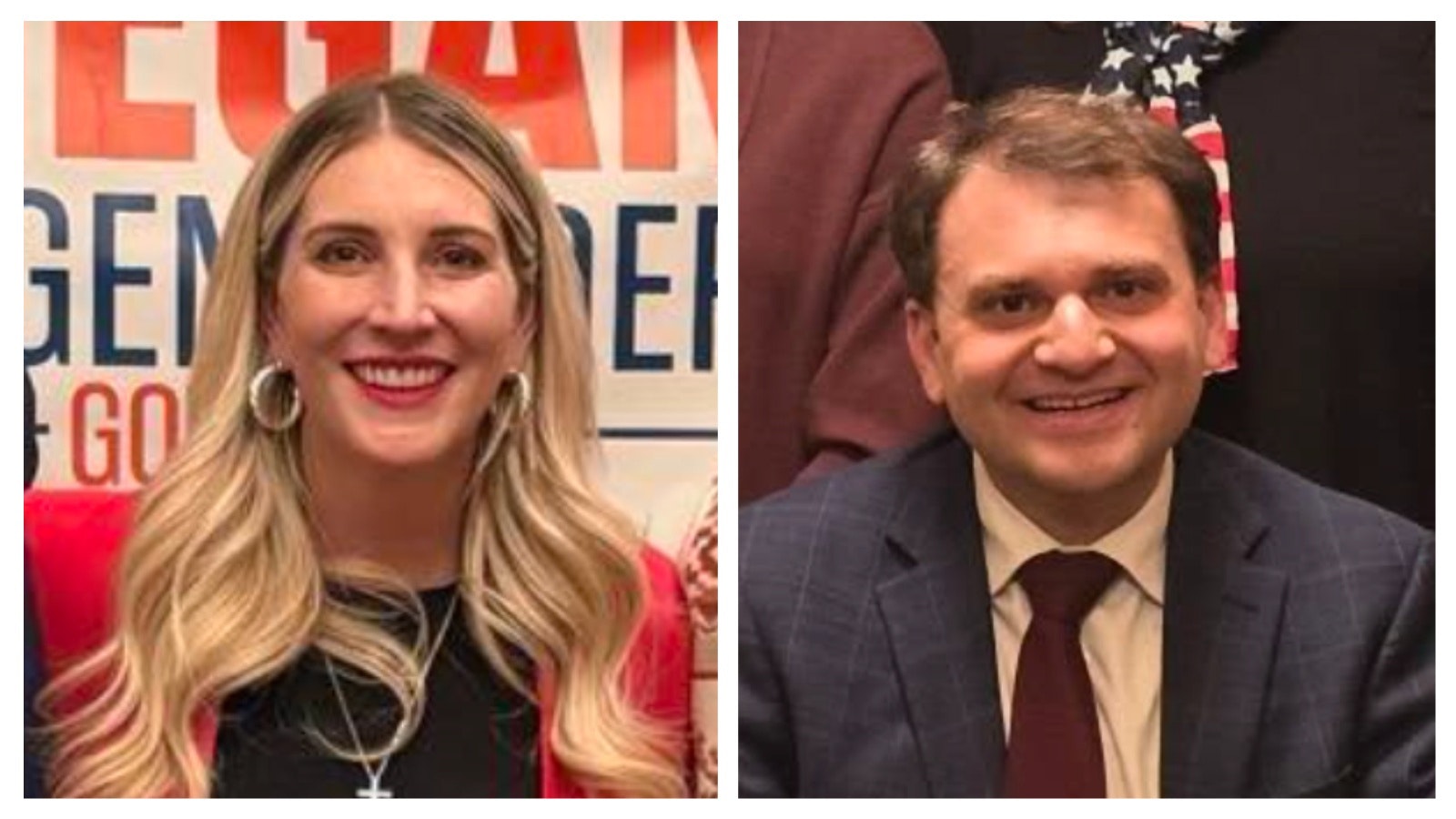
State Rep. Karlee Provenza, D-Laramie, said she hopes the decision won’t have any impact on UW diversity.
“Wyoming has benefited from our diverse student population, especially when it comes to research in energy resources,” Provenza said. “So I hope the university continues to recognize the positive influence of having a diverse student population in Wyoming so that our state can continue to benefit from innovative ideas and incredible leaders in our communities.”
‘Wyoming Got It Right’
The Supreme Court’s Thursday 6-3 ruling finds that race-conscious admissions programs at Harvard and the University of North Carolina are unconstitutional.
State Sen. Charles Scott, R-Casper, co-chair of the Legislature’s Education Committee and a Harvard graduate, said the high court got it right with its decision.
“The basic principle has been since the American Revolution and since the Declaration of Independence, the principle has been that everybody starts out equal, and that means everybody,” he said. “Unfortunately, it took a while to recognize that.”
Even American law hasn’t always squared with equal rights. For instance, the Three-Fifths Compromise of 1787 determined that three of every five slaves be counted when determining a state's total population for legislative representation and taxation.
The Wyoming Constitution, ratified in 1889, guarantees equality for all and equal political rights. Scott sees this as an example of Wyoming being ahead of the nation and the court on the issue.
“Wyoming … got it right,” he said. “Now the rest of the country is catching up.”
It’s The Equality State
Scott believes equality has improved in Wyoming and the nation. When he ran his first state House campaign in 1979, said the Black population of Casper was largely contained to one part of the north side of town.
“What I see now is they’re spread out equally everywhere in town,” he said. “The younger generation has decided that color, race, skin doesn’t make any difference, and we’re not going to let it make any difference, and that’s progress.”
Chief Justice John Roberts Jr., writing for the Supreme Court’s 6-3 majority, said the two schools employ race in a negative manner and “involve racial stereotyping” in a way that violates the Constitution.
Justice Sonia Sotomayor wrote a scathing dissent, saying the court’s decision was “further entrenching racial inequality in education, the very foundation of our democratic government and pluralistic society.”
President Joe Biden described the decision as a “severe disappointment,” and said the court’s ruling is not “the last word” on the issue.
Scott said although he had a positive experience at Harvard, he finds the school has become intolerant of any ideology determined not to be “woke.”
“They need to get over that, and they will,” he said.
The two cases were brought by Students for Fair Admissions, a group founded by a legal activist who has organized many lawsuits challenging race-conscious admissions policies and voting rights laws in the past. In its lawsuit, Students for Fair Admissions specifically accused Harvard of discriminating against Asian Americans.
Asian Americans tend to have a higher rate of acceptance into college than other minorities.
History
Affirmative action policies were developed in the 1960s to address long histories of discrimination faced by minorities and women, which resulted in unfair advantages for whites and males.
The government-mandate directs America’s colleges and universities to accept minority students at sometimes higher rates than their white peers in order to achieve a diverse student body at their schools.
Scott said he believes these policies were justified at the time.
“When they were trying to get that passed, we were coming off a millennium of prejudice,” he said. “Affirmative action was a rational way to do some of that away.”
Affirmative action was partially upheld by the Supreme Court in 2003, while the use of racial quotas for college admissions was ruled unconstitutional. In that decision, former Supreme Court Justice Sandra Day O’Connor wrote that "race-conscious admissions policies must be limited in time," and that the "court expects that 25 years from now, the use of racial preferences will no longer be necessary to further the interest approved today."
Thursday’s decision overturned a U.S. District Court of Massachusetts ruling that had found that while imperfect, affirmative action passed constitutional muster.
Some have argued that the lack of diversity plaguing America’s elite institutions these days isn’t based on race, but rather wealth.
In 2017, economist Raj Chetty found that students from families in the top 1% of income were 77 times as likely as poor students to be admitted to Ivy League schools. At many of these schools the admissions process has become brutally intense, sometimes turning away students with sparkling academic records.
Thursday’s decision does not negate federal requirements prohibiting discrimination in hiring practices.
Leo Wolfson can be reached at leo@cowboystatedaily.com.