Wyoming’s massive big game winterkill might be the gift that keeps on giving this summer, and not in a good way.
With so few deer and antelope left in parts of the Cowboy State, more ticks might start latching on to people.
“My theory, and it’s only a theory, is that ticks, lacking their usual wildlife hosts, might seek other hosts in people and domestic animals,” Scott Schell, a University of Wyoming Extension entomologist, told Cowboy State Daily.
“For example, if you’re out walking on a trail where, normally 50 or 60 deer might have walked through ahead of you – but now there’s only been one deer through there – you might see more ticks trying to get on you,” he said.
Brutal Winter, Tick-Fest Summer
In parts of Wyoming, winter cut huge swaths of death through big game herds. It’s estimated that up to 80% of adult deer and nearly all the fawns were lost from the vaunted Wyoming Range mule deer herd.
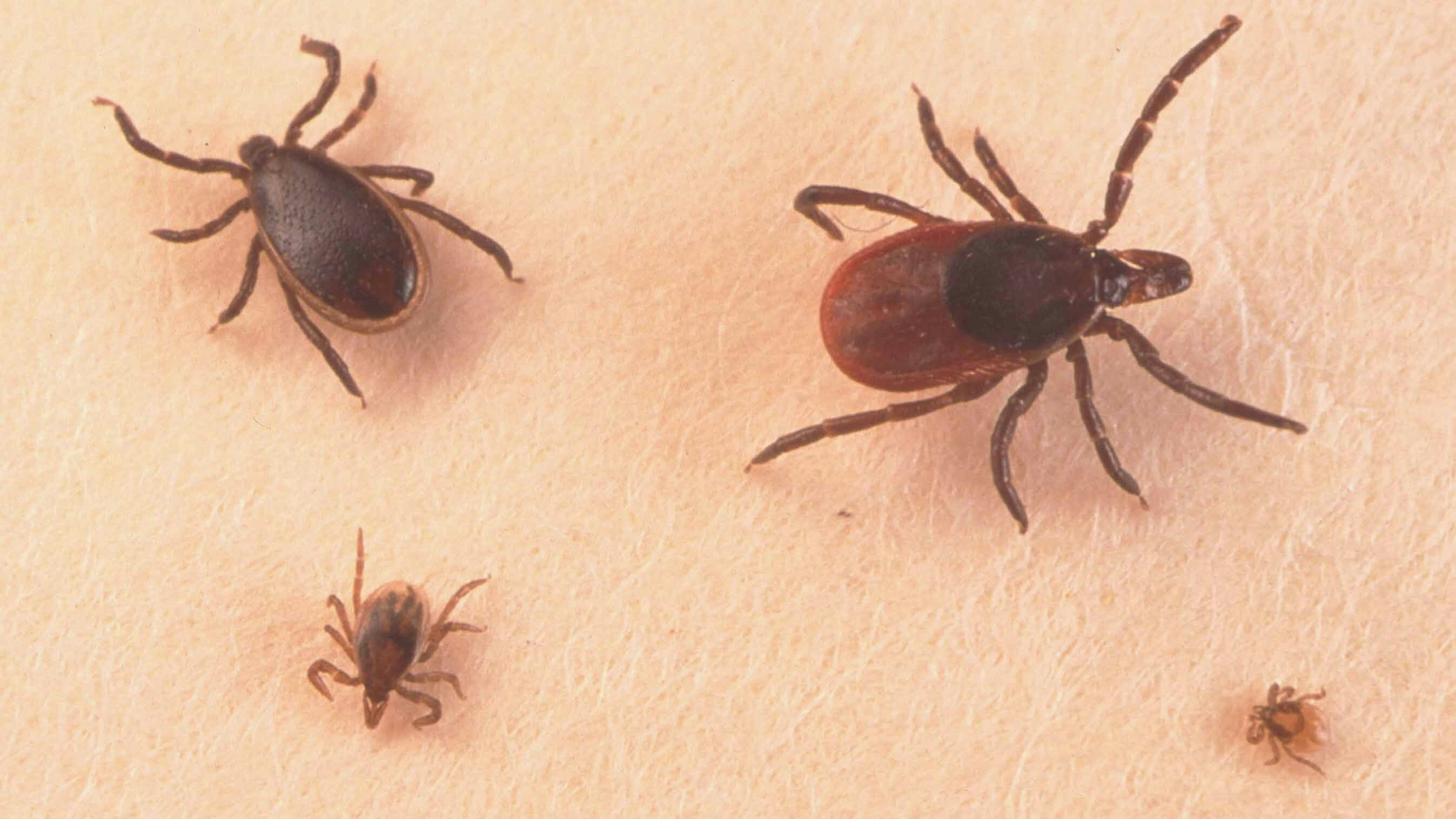
Rocky Mountain wood ticks are the most common species of little eight-legged blood suckers in this region, Schell said. They typically develop in three stages between larvae and adults — latching onto rodents such as field mice or prairie dogs during the first two stages.
In the final stage, they move to larger hosts, and frequently prefer wild animals such as deer and antelope.
But, with that food source all but wiped out in some areas of Wyoming, livestock, pets and humans are the next items down on the ticks’ menu, Schell said.
‘You Go Limp As A Dishrag’
Ticks can carry a host of nasty diseases. Colorado tick fever and Rocky Mountain fever are the most common in Wyoming, Courtney Tillman, an epidemiologist with the Wyoming Department of Health, told Cowboy State Daily.
Most cases of Colorado tick fever involve a rash, fever and body aches, she said.
The effects of Rocky Mountain spotted fever are similar, but more severe.
“If left untreated, Rocky Mountain spotted fever can be fatal,” Tillman said.
The species of tick that carries dreaded Lyme disease – which can have permanent effects – isn’t native to Wyoming. However, the state sees a few cases every year, she said. Those involve people who either traveled to areas where Lyme disease is endemic, or were exposed to animals brought in from elsewhere that are infected with ticks carrying Lyme disease.
The Wyoming Department of Health documents about 5-10 cases of tick-borne disease in humans each year, Tillman said. It’s tough to say whether this year will be worse, if Schell’s theory plays out.
In extremely rare cases, people and animals can suffer “tick paralysis,” Schell said. That’s caused by neurotoxins in the saliva of some ticks. It clears up once the tick is removed, but can be fatal if the tick lingers on the host for too long.
“You can come down with flaccid paralysis,” he said. “You kind of go limp as a dishrag.”
Weather Could Determine Severity Of Tick Infestation
Aside from the big game die-off, the weather this year could produce a bumper crop of ticks in some places, Schell and Tillman said.
The same deep, hardened snow that killed so many deer and antelope might have helped ticks, Schell said.
“Snow cover can actually protect them while they’re dormant over the winter,” he said.
Ticks also go dormant once the weather gets hot and dry, Tillman said. Since May and June were wet and cool this year, ticks might thrive.
She recommended that hikers, anglers and others who might venture into brushy and grassy areas use insect repellant “with at least 40% Deet.”
It’s also a good idea to spray clothing and gear with permethrin tick repellant, and make sure that pets are up to date on their tick and flea medications, she added.
So far this summer, there hasn’t been any reported surge in tick-borne disease cases, Tillman said, so maybe Wyoming’s luck will hold.
Mark Heinz can be reached at mark@cowboystatedaily.com.