Editor’s note: This story contains language and images some may find offensive. Read at your discretion.
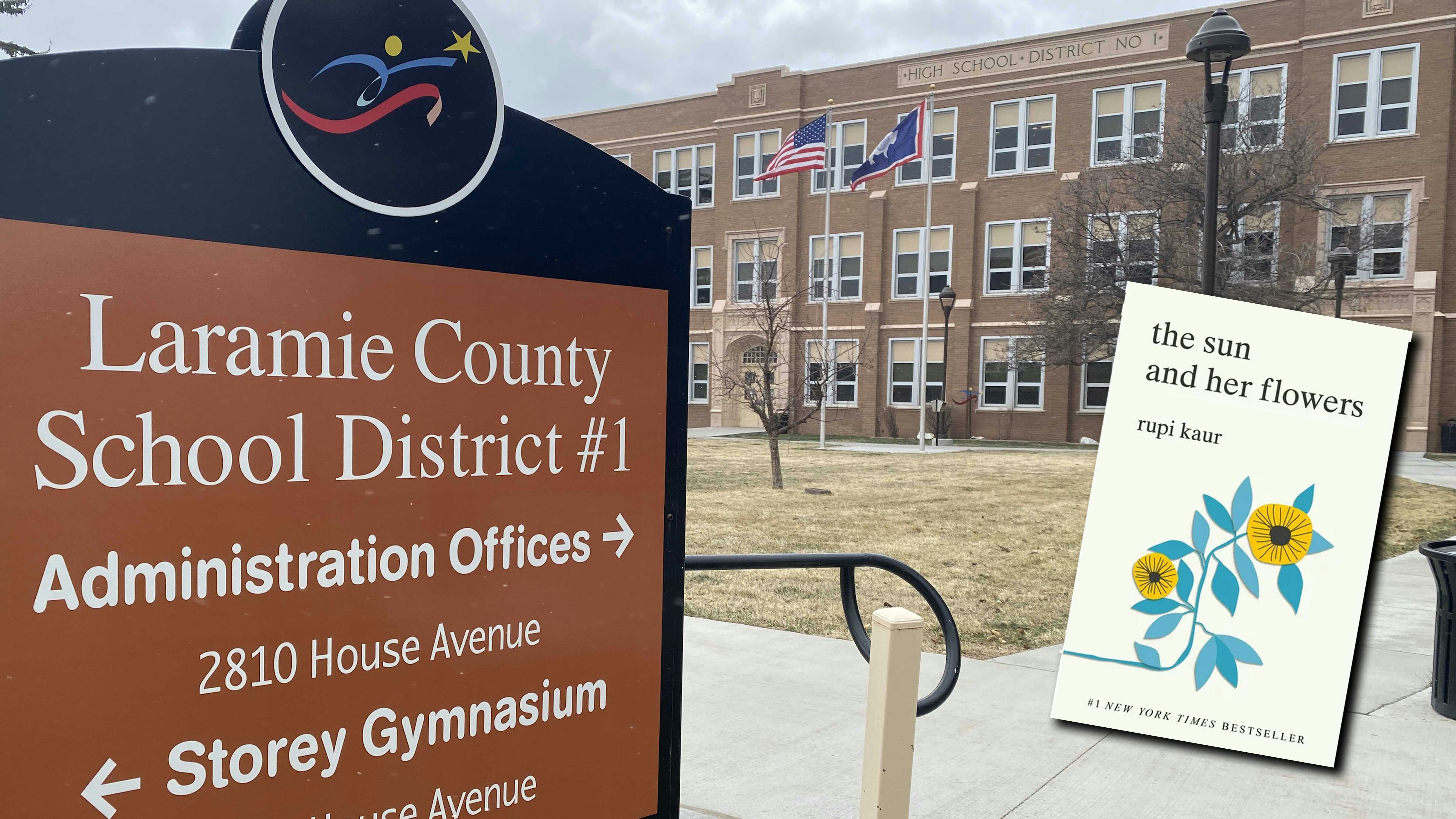
Cheyenne parents and residents clashed at the Laramie County School District No. 1 board meeting Monday night over a proposed policy on sexually-explicit school library materials and books.
Some parents quoted from controversial books in district schools, until the board chair asked them to stop because YouTube’s content standards might not allow the board meetings to stay on the platform otherwise.
Other members of the public protested the proposed policy change, saying a small group of parents should not get to dictate which books other parents’ children can access at school.
The audience erupted into applause at times; some heckled the speakers.
Here Are Your Choices
District legal counsel Amy Pauli discussed two options for policy defining “sexually explicit” materials. The first is broader and would include “sexual conduct in a pervasively vulgar manner” conveyed by more than a passing reference.
The second option, which would address fewer books, further describes “pervasively vulgar” as “extensive or gratuitous descriptions of sexual conduct that may be considered offensive or inappropriate for minors.”
Board Chairman Tim Bolin, Vice-Chair Christy Klaasen, and members Brooke Humphrey and Alicia Smith said they’d prefer the broader first option, whereas members Brittany Ashby and Dr. Renee Hinkle both said they’d prefer Option Two, the more specific definition.
“This is an incredibly subjective thing,” said Hinkle. “Sexually explicit means a different thing to everyone in this room.”
Hinkle said trained librarians who use nationally recognized lists choose books for the district, and the policy should be more specific, less encompassing, so that the district isn’t sued for infringing on students’ First-Amendment rights.
Trustee Susan Edgerton said she likes Option One with the clarification that sexually explicit content consists of “more than a word or phrase.”
Websites, Clean Reads
Joe Evans, secondary English Language Arts coordinator for the district, brought suggestions for improving the library’s policy, including standing up a more interactive website for parents and letting them nominate certain books for the opt-out list.
Parents could also:
- Choose to only let their kids access a list of “clean reads.”
- Let their kids access all books except those nominated to be on a “sexually explicit” list.
- Let their kids access all library books.
- Bar their kids from accessing school library materials altogether.
Trustee Smith challenged the plan.
“I’ll probably get jeered by half the room for saying this,” began Smith. “We were interested in more of an opt-out procedure, to take that onus off of parents to take these steps to protect their children — when we should be protecting their children while they’re in our buildings anyway.”
Superintendent Margaret Crespo countered, saying the list of options includes both an opt-out and an opt-in choice.
“So (parents) have the opportunity to make the decision for what fits their family, and what their needs are,” she said.
‘YouTube Has Rules’
Some community members backing a stronger anti-obscenity policy used strong language at the meeting.
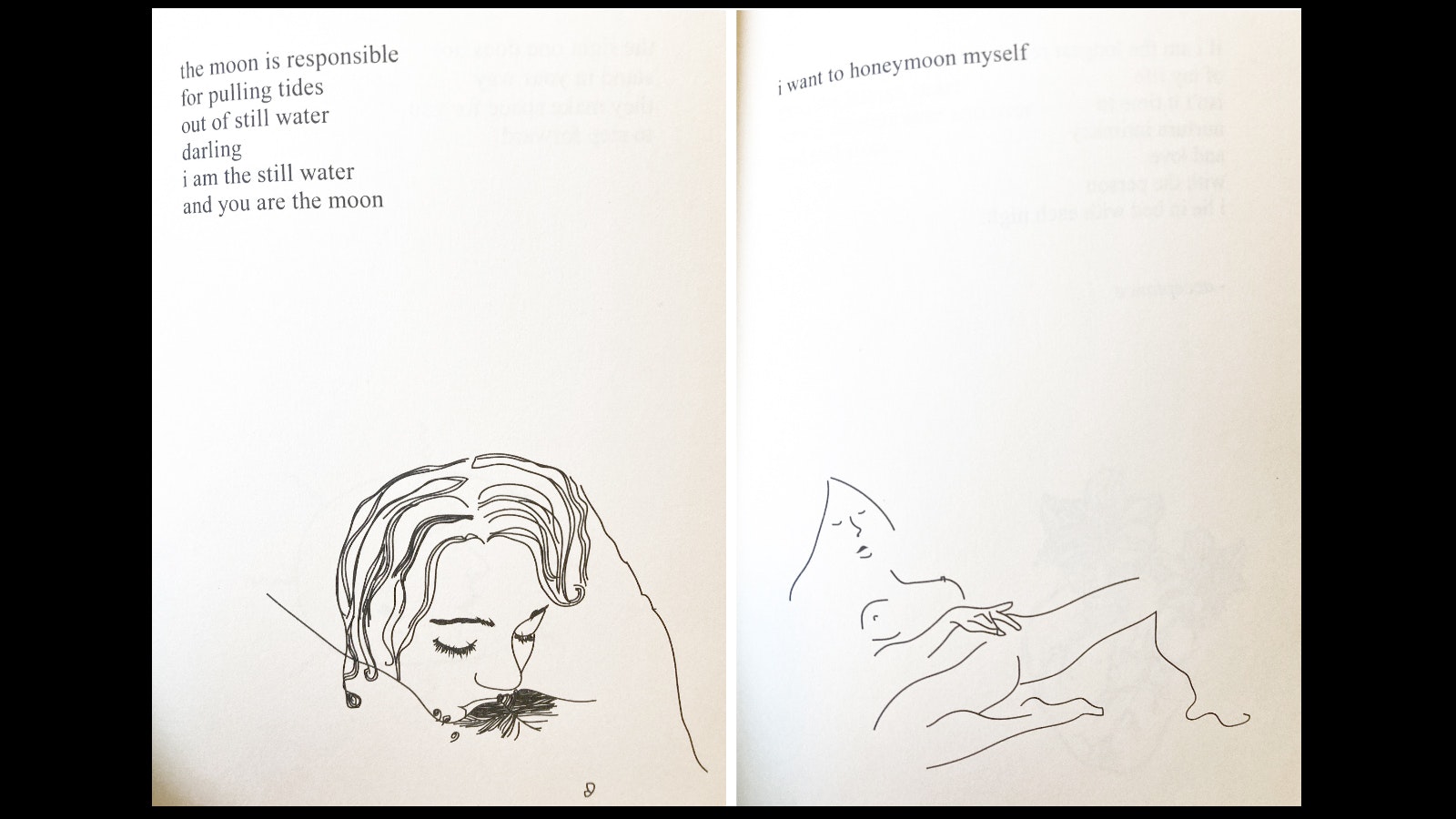
“There should be zero sentences, pages or paragraphs available in public school libraries referencing sucking dick, eating pussy, teen boys jacking off into Mountain Dew bottles,” said Brooke Bulgrin. “Watching Dad’s porno videos, dry humping, repeatedly using the F-word, referencing teen boys’ penises as ‘lunch’… images of naked women with their legs spread open, fingering themselves while saying ‘I want to honeymoon myself.’”
Bulgrin’s final reference was from Rupi Kaur’s animated poetry book “The Sun And Her Flowers,” which is catalogued in three of the district’s high schools, though one of those schools lists it as “lost.” It is a collection of sensually- and sexually-charged free-verse poetry.
“Please refrain from that kind of talk,” said Chairman Bolin. “We broadcast this on YouTube as a public service, and YouTube has rules.”
Speakers must follow YouTube’s rules of conduct to continue enjoying the public service of broadcasted board meetings, Bolin added.
‘To Grow By Reading’
Numerous people urged the board to leave in place its current opt-out policy by which parents can forbid their children from checking out objectionable books.
So far, 41 parents have opted their children out of certain books. Thousands of parents, however, let their children have full access to the school libraries.
Hailey Robb, a local resident who addressed the board, said the controversial books are also important representative material for the LGBTQ community and should remain available.
George Powers, an attorney suing the Wyoming Department of Education for failing to fulfill a records request on how it has used funds to fight “the sexualization of children,” also asked the board not to adopt a stronger policy.
“I will support the right of every individual parent to make decisions for their individual child, but no individual parent has the right to make decisions for other people’s children,” said Powers. “This school board doesn’t need to lend its support to those who would remove that freedom from parents, who choose to allow their children to grow by reading.”
The Talking Points
Joshua Finch, a parent to a 7-year-old daughter in the district, said he didn’t believe “we should just trust the filters” and he doubts that the opt-out policy is working. He said the school’s internet filters didn’t work for his daughter.
He also said it’s common sense to limit certain content for kids.
“‘Banning’ is a term that brings up an emotional response in many Americans, of brown-shirted thugs burning books in a public square,” said Finch. “I think those using this term are in many cases not malicious — they’ve rather been misinformed by the talking points of a minority.”
But “we limit things all day” for kids, from online consumption to sugar.
“Would we say libraries are banning books they decided not to include on the shelf this year?” continued Finch. “We shouldn’t, as they’re available on the marketplace and easily accessible for public consumption, and therefore not banned.”
For school libraries, he said, he’d rather select Homer’s epics and John Locke’s treatises “over a book teaching minors how to use online sex apps.”
Clair McFarland can be reached at clair@cowboystatedaily.com.