Climate activists are coming for livestock producers and farmers.
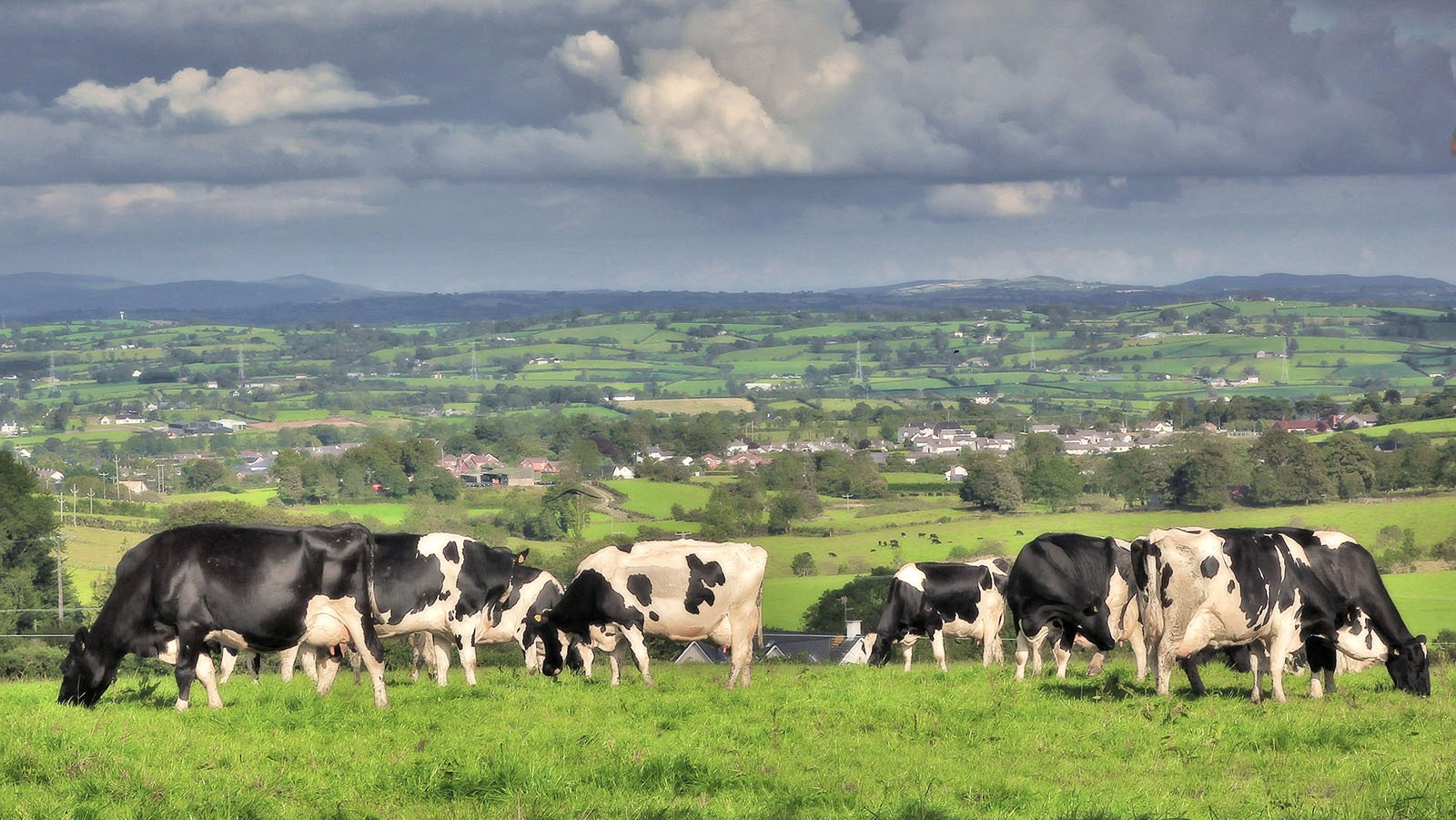
European governments have been targeting the agriculture industry for several years. The Telegraph reports that Ireland’s government may need to reduce that country’s cattle herds by 200,000 cows over the next three years to meet climate targets.
In an effort to reduce nitrogen pollution, Reuters reported the European Union last month approved a $1.6 billion Dutch plan to buy out livestock farmers.
Front And Center
Now the Biden administration is targeting American agriculture.
Special President Envoy For Climate John Kerry recently warned at a climate summit for the U.S. Department of Agriculture that the human race’s need to produce food to survive creates 33% of the world’s total greenhouse gasses.
“We can’t get to net-zero. We don’t get this job done unless agriculture is front and center as part of the solution,” Kerry said.
Microsoft Billionaire Bill Gates also is obsessing about cattle emissions, providing financial support to companies that are developing seaweed supplements and gas masks for cows.
It’s ‘Groupthink’
Kacy Atkinson, an agricultural advocate who raises cattle in Albany County, told Cowboy State Daily that this conversation on emissions from the industry isn’t considering the beneficial impacts of cattle to the environment and the climate.
“Groupthink happens a lot around the climate change conversation. We get tunnel visioned on one piece of it without considering the full ramifications of what's going to happen if we remove cattle from the land,” Atkinson said.
She said cattle contribute to drought resistance, soil health and wildfire reduction. Just before cattle were introduced to North America and the industry began raising them, Atkinson said there were thousands of buffalo roaming the plains.
Cows and buffalo are both ruminants, which is a type of animal that brings back food from its stomach and chews it again. These animals’ digestive systems produce methane emissions. Today’s cattle population is similar in numbers to that of the buffalo herds.
“So, the methane emissions from ruminant animals aren’t anything new,” Atkinson said.
Trapping Carbon
Cattle also benefit plant life, Atkinson said.
“You need ruminant animals to forage grasses, because they’re the only things that can,” she explained.
Pigs, for example, are monogastric and can’t break down high fiber content in grasses. Cow’s digestive system can break the grasses down, and then they fertilize the ground.
So, through proper cattle grazing management, Atkinson said the cattle she’s raising are helping plants to grow.
In the atmosphere, the methane they burp out — most of it is released through the mouth of the animal — breaks down in 10 to 15 years into carbon dioxide and water. The plants that cattle help to grow use that carbon dioxide. The carbon then gets put back into the soil through the grasses’ roots.
“So the cattle are essential in helping to keep that carbon trapped in the ground,” Atkinson said.
Atkinson said cattle have other benefits to the climate that are being ignored in the focus on just their emissions. Whenever soil cracks or fissures, it releases carbon into the air.
The animals walking upon the soil compacts it and helps keep the carbon trapped in the soil.
She said one study done by the University of Florida found that between 10% and 30% of the world’s carbon storage is found under the feet of U.S. cattle.
Increasing Food Insecurity
Brett Moline, spokesperson for the Wyoming Farm Bureau, told Cowboy State Daily that the regulations that would likely flow from ideas like Kerry’s would only make farming and ranching more expensive.
Ultimately, those expenses would get passed down to the consumer.
“It’s going to make food expensive, and we still have a large part of the population that is food-insecure,” Moline said.
Of course, people aren’t going to stop eating. If farms in North America and Europe shut down, food production will move to countries with lax environmental regulations. The end result, Moline said, is less environmentally friendly farming producing the world’s food supply.
As far as the climate impacts, Moline said those are getting blown out of proportion where everything is blamed on climate change, such as the drought in the past couple years.
“Two years ago, it was drier than my jokes,” he said. “Now we’re getting wet again. Climate ebbs and flows.”
Other Benefits
Atkinson said that one in eight people in the U.S. is considered food insecure, which means they don’t have a sufficient source of nutrition.
By removing cattle, Atkinson said, they’re just furthering that problem by eliminating a valuable protein source from the American diet.
There also are a lot of food byproducts that cows consume as feed. This includes the leftover pulp from orange juice production, the hulls from almonds, and the peels of potatoes from making french fries.
“All that would just end up in a landfill,” Atkinson said.
Cattle are also not just a source of food. Products including some laundry detergents, nail polish remover, soaps, lotions, footballs, and pharmaceuticals are made from animal byproducts.
“It would be a pretty significant undertaking to replace all of the things that we get from them,” Atkinson said.
Contact Kevin Killough at Kevin@CowboyStateDaily.com