After stalking red stags with a bow in Chile and slaying a wild pig with a knife in New Zealand, Samantha Strable of Pinedale has set her sights to hunt closer to home.
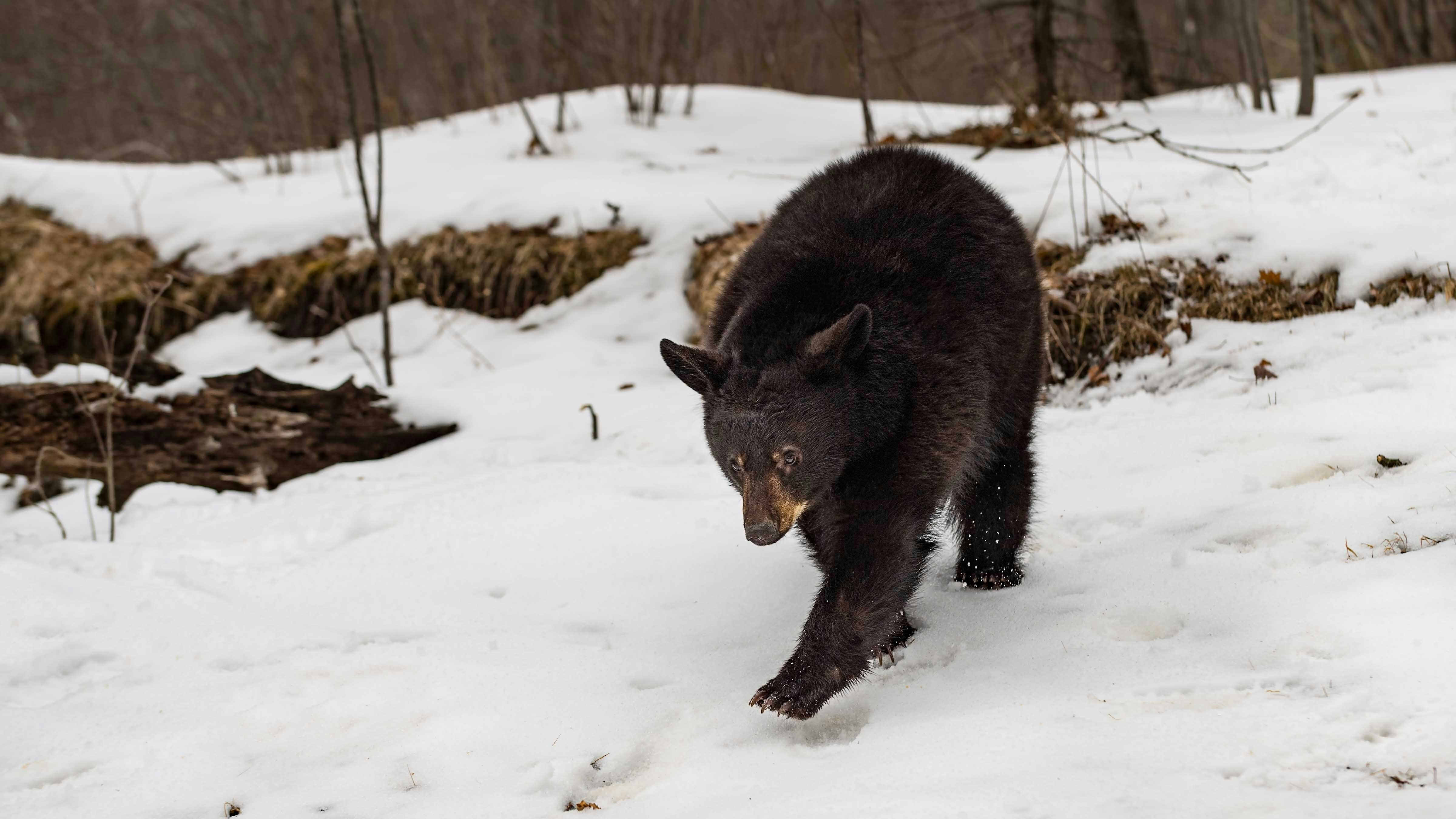
She wants to bag her first black bear during the ongoing spring bear season in the Wind River mountains.
Calling For Bear Bait
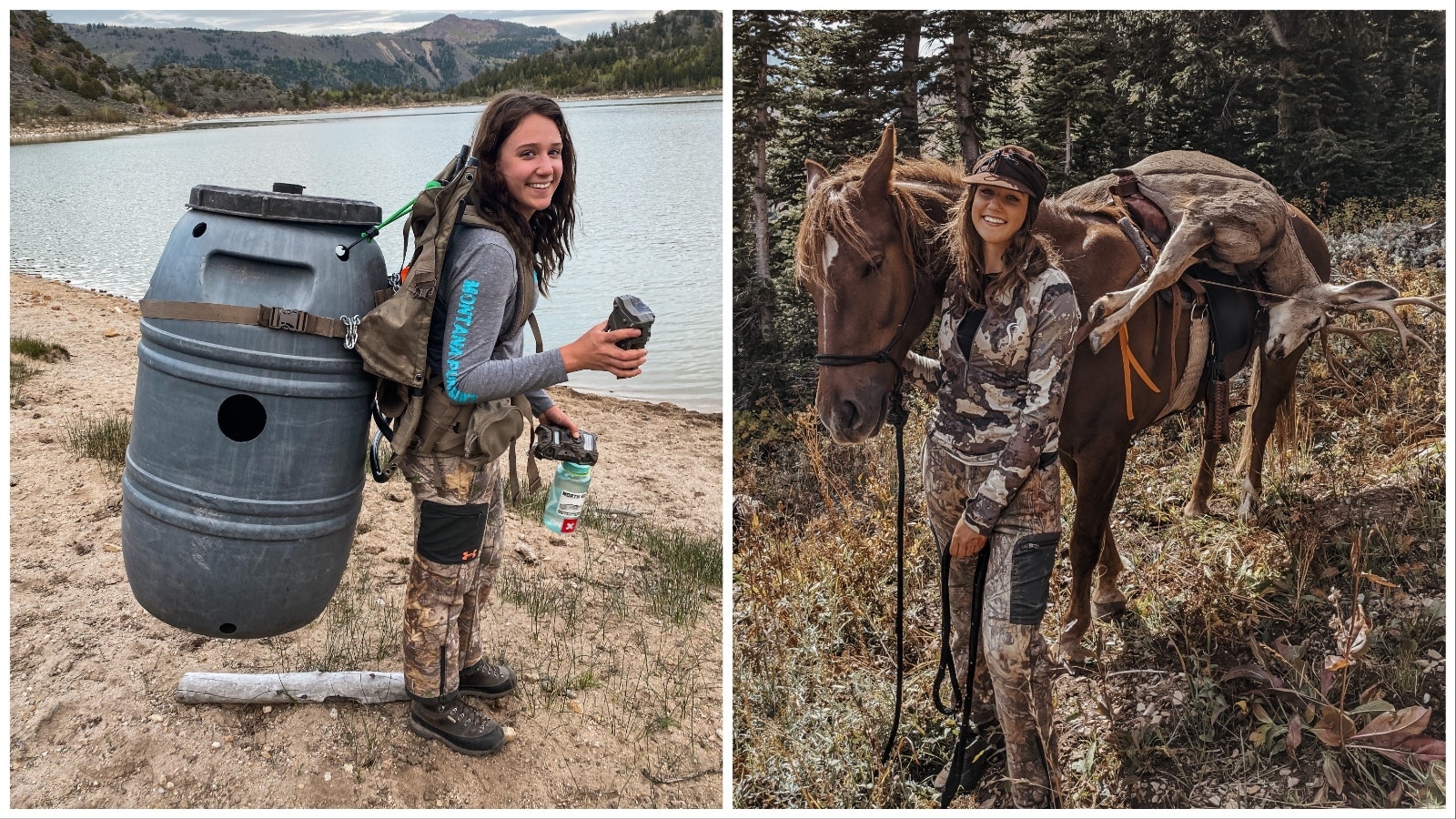
To help her achieve that goal, Strable recently put out a call on social media asking fellow Sublette County residents if they could spare any meat for her bear bait barrels.
“I’ve gotten meat from two people so far this time,” she told Cowboy State Daily. “A lot of folks reached out to me and had stuff that just wouldn’t work, according to the regulations.”
Wyoming Game and Fish Department black bear hunting regulations won’t allow game meat — such as deer or elk — for her bait barrels, Strable said.
And since there are grizzlies in the Wind River Range, livestock meat that is processed or fit for human consumption is also off limits, as are sweet temptations such as candy or marshmallows, she said.
That’s because game officials don’t want grizzlies getting a taste of such fare and being drawn into settled areas seeking more, Strable said.
“Whole animals work — cows, pigs, chickens,” she said. “And fish as well, so long as they’re non-game species such as suckers, carp, things like that.”
To get the bait to her remote hunting sites, Strable chops or quarters it and then places it in a plastic barrel, which she straps to a pack frame.

‘I Thought Hunting Was Pretty Gross’
Considering her accomplishments in the field and the fact that she grew up in Montana, it would be easy to assume that Strable was raised in a hunting family.
Not even close.
“I wasn’t raised around hunting. I thought hunting was pretty gross. Like a lot of people, I didn’t understand how it worked,” she said. “I didn’t even know the difference between a rifle and a shotgun.”
Even so, she began dabbling in hunting as a teenager, pursuing rabbits. She later joined a hunting mentor program in Great Falls, Montana, and shot her first deer.
After she processed and cooked some of the meat, everything clicked for her.
“I remember having the first couple of bites of whitetail tenderloin, and I was like, ‘Wow, this is really good,’” she said.
Hunting gave her an abiding love for the outdoors and self-sufficiency.
“That’s my biggest reason for being out there. I get to be out in nature. I get to be present, to test my body, test my limits and put meat on my own table,” she said.
“I’m a public lands, DIY hunter” who usually hunts solo, Strable said.

Living How She Wants To
To stay close to nature while working, Strable became a wildlife biologist. During the spring, summer and fall, she lives in Pinedale and does seasonal contract work with wildlife. Some of the critters she’s worked with include lynx, sage grouse and raptors.
Working seasonally allows her to head south once the snow starts flying.
“I can’t stand the six-month winters, so I head to the Southern Hemisphere in November or December,” she said.
Down south, she does farm and ranch work to support herself and also takes time to hunt.
During one season in Chile, she had the opportunity to archery hunt red stag, a deer species that’s similar to Wyoming’s elk.
“I got to see hundreds and hundreds of red stag” but decided not to take any shots because their antlers were only just starting to grow that time of year.
Strable said she’s been staying in Pinedale since 2020 and plans to keep coming back.
“My partner lives here, so it’s important to be close to him,” she said. “And I really love Wyoming.”
New Zealand Adventures
During recent stays in New Zealand, she hunted wallabies as well as two species of goat — chamois and Himalayan tahr.
“Chamois is a goat-antelope, very similar to our pronghorn in terms of behavior, but they live on mountain tips and very rugged mountain-cliff terrain,” she said.
Those species aren’t native to New Zealand and are considered pests, Strable said. Government agents shoot them from helicopters, but she likes boots-on-the-ground hunting.
“The government does quite a bit of poisoning of them there as well, much to hunters’ dismay,” she added.

Pig Hunt With A Knife ‘A Bit Intense’
She also got a chance to hunt wild pigs in New Zealand.
“They don’t use rifles or bows to hunt pigs there,” she said. “They use dogs, and a knife to stick the pig.”
Once the dogs have a pig cornered or pinned, the hunter comes in and stabs it with a knife, ideally plunging the blade into the swine’s heart so it dies quickly.
“I ended up getting a young sow (female pig). That was a bit intense for me, because I’m used to hunting animals from a little bit of a distance,” she said.
“Honestly, I cried,” she added. “I don’t like killing. I like the hunting, I like the chase. It’s not fun to see anything die. The best you can hope for is that it dies quickly and painlessly.”
Bear-Baiting Not As Easy As It Looks
To the uninitiated, using bear bait might not seem challenging or fair, but it’s harder than it looks, Strable said.
“It’s a lot of work getting everything up into the backcountry. It’s a lot of work and preparation to keep the site clean of your scent,” she said. “It’s not just as easy as walking in there and pulling the trigger on a bear that’s already sitting there.”
She doesn’t use a blind or a treestand, but instead tries to find a suitable hiding spot upslope from the bait and “with the wind in my face.”
Strable isn’t after a record-breaking trophy bear, but she would like to bag one that is “mature” and fairly good-sized.
If successful, she looks forward to making bear sausage, roasts and other dishes. She’ll also make soap out of the tallow from bear fat.
Bear meat must be cooked thoroughly, because bears can carry trichinosis, a severe food-borne disease.
People get pretty worked up about it (trichinosis), but it’s about the same as it is with pork,” she said. “There’s no ‘rare’ or ‘medium’ rare with bear steaks.”
Mark Heinz can be reached at Mark@CowboyStateDaily.com