Editor’s note: This story and photo gallery depict mature subject matter.
The book “Let’s Talk About It” remains in the Lander Valley High School library, to the frustration of some people in this west-central Wyoming community and the relief of others.
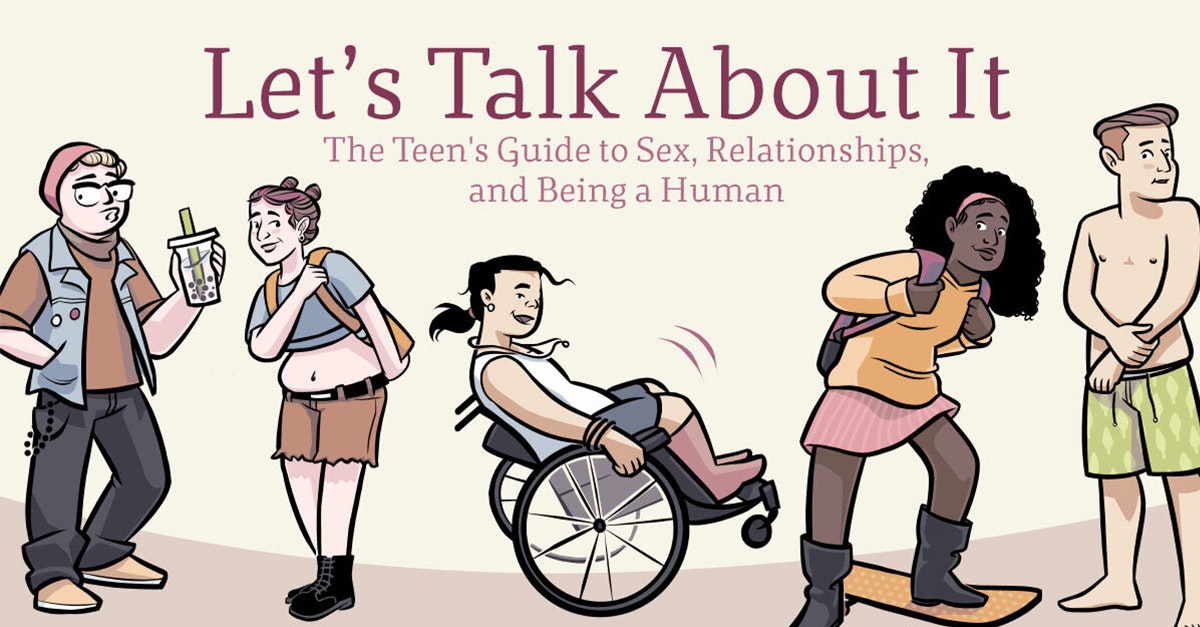
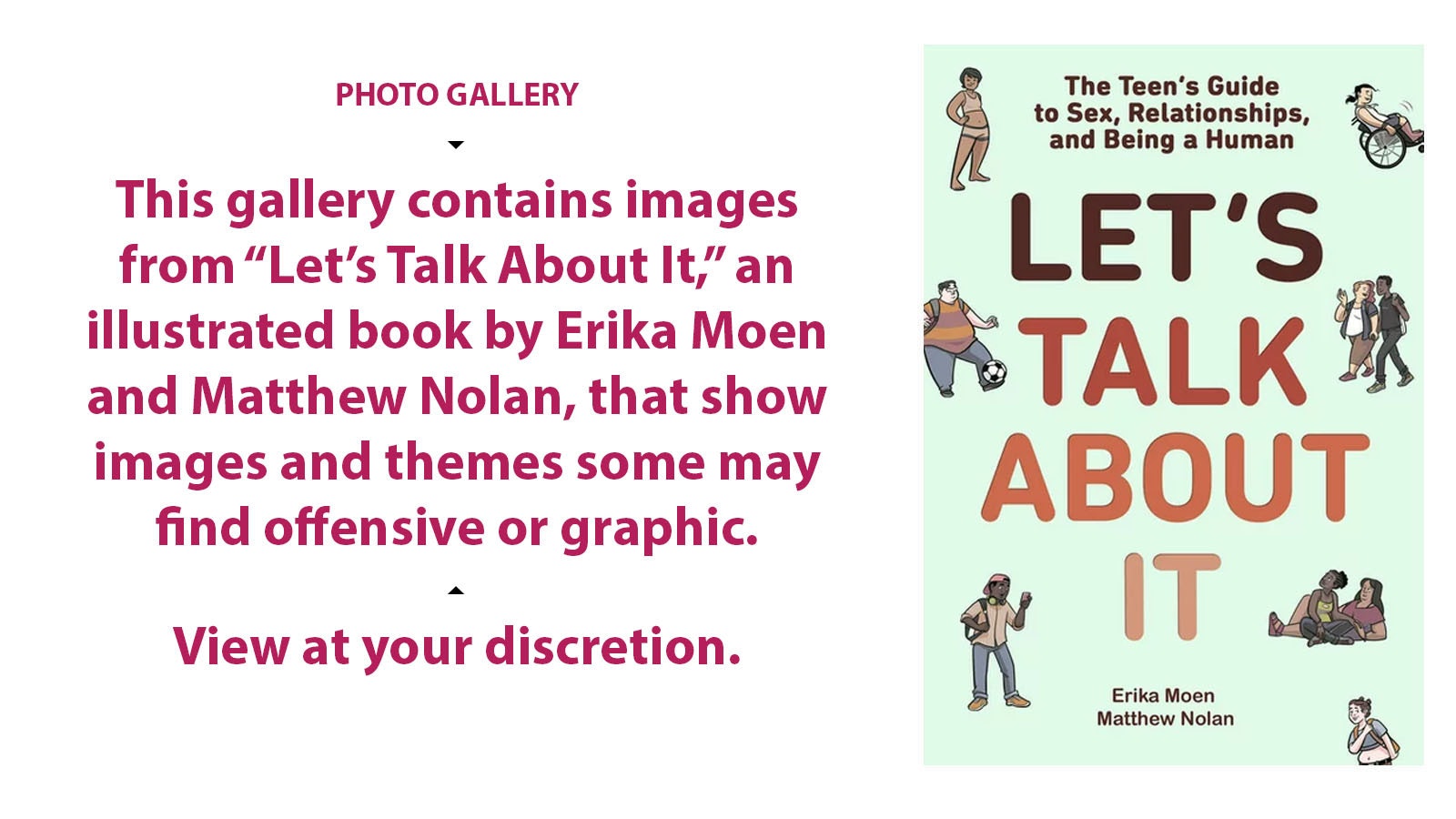
“Let’s Talk About It” by Erika Moen and Matthew Nolan is a graphic novel (comic book) depicting cartoon teens and other characters exploring the nuances of sex, gender, sexuality, relationships, consent, STDs, sexting, abusive behaviors and birth control.
The authors dedicated it, “To whoever needs it, whatever your age.”
The books’ topics range from how penises, vaginas and other sex organs function, to how to detect abusive habits in oneself or others.
It emphasizes the necessity of consent for sexual activity, and says consent derives from communication.
It gives numerous instructions on sex and masturbation, with cartoon illustrations. Body positivity, respecting someone’s choice of pronouns and staying safe and legal while having sex or viewing pornography are a few other emphases.
The book also posits:
- That the anus is “a primo zone for touching and penetrating” because of its concentration of nerves.
- That erotic relationship types include monogamous, polyamorous, open, casual, and companionate.
- That gender binary is “an obsolete viewpoint.”
- That sexually-transmitted infections are “super common,” but the majority are treatable and “if caught early, no biggie.”
- That it's fine to consume pornography of all types as long as it's legal, and as long as it doesn't interfere with one's daily life.
- Sending sexually explicit images through one’s phone is fine as long as the recipient and sender follow all laws, have rules in place, don’t share the photos with others, and edit out their faces and personally identifying characteristics.
- Testosterone-rich bodies have broad shoulders, facial hair, more musculature, but not necessarily penises.
- Estrogen-rich bodies have broader hips, breasts, more body fat, but not necessarily vaginas.
Opting Out
The book isn’t educational, it’s pornographic, said Taylor Jacobs, board member for Fremont County School District No. 1.
Jacobs emphasized that her comments are her own and don’t represent the whole board.
“There’s a lot of content in it that’s probably not school-appropriate,” said Jacobs, noting that parents first brought concerns about some books at the school to board members. Her own children also go to school in the district.
Jacobs is also a licensed school psychologist. She called the book's encouragement of pornography consumption "especially troubling," and cited numerous studies showing that pornography harms children's brain development and quality of life.
The book also downplays sexually-transmitted infections, she said.
Parents can instruct schools not to let their kids check out certain books, in an opt-out process, Jacobs said, calling it a “great process … and safeguard.”
But, she added, “sometimes we don’t know about books maybe being as terrible as they are.”
Jacobs and Board Vice-Chair Scott Jensen both are planning changes to the district’s book-challenge policy, they told Cowboy State Daily. Jacobs is considering adding a policy to address pornography specifically, while Jensen said he’d like to make the existing policy clearer.
The current policy states that teachers and administrators should work through issues with books first. After that, people can bring their challenges to the district superintendent. If the challenger is unhappy with the superintendent’s decision, he or she can appeal that to the board.
The board meets June 20 with plans to discuss its book-challenge and curation policies.
(Cowboy State Daily Staff) 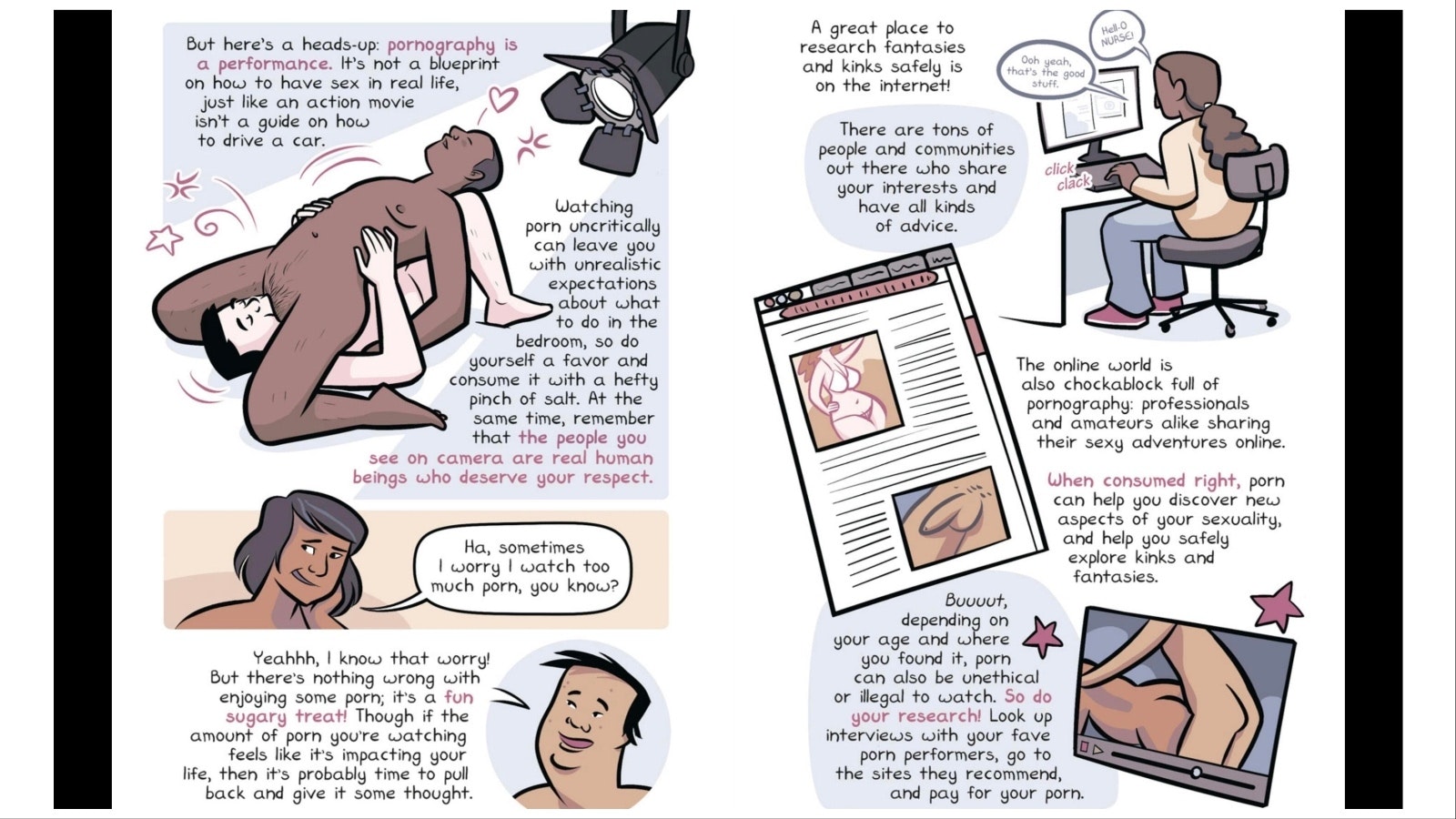
(Cowboy State Daily Staff) 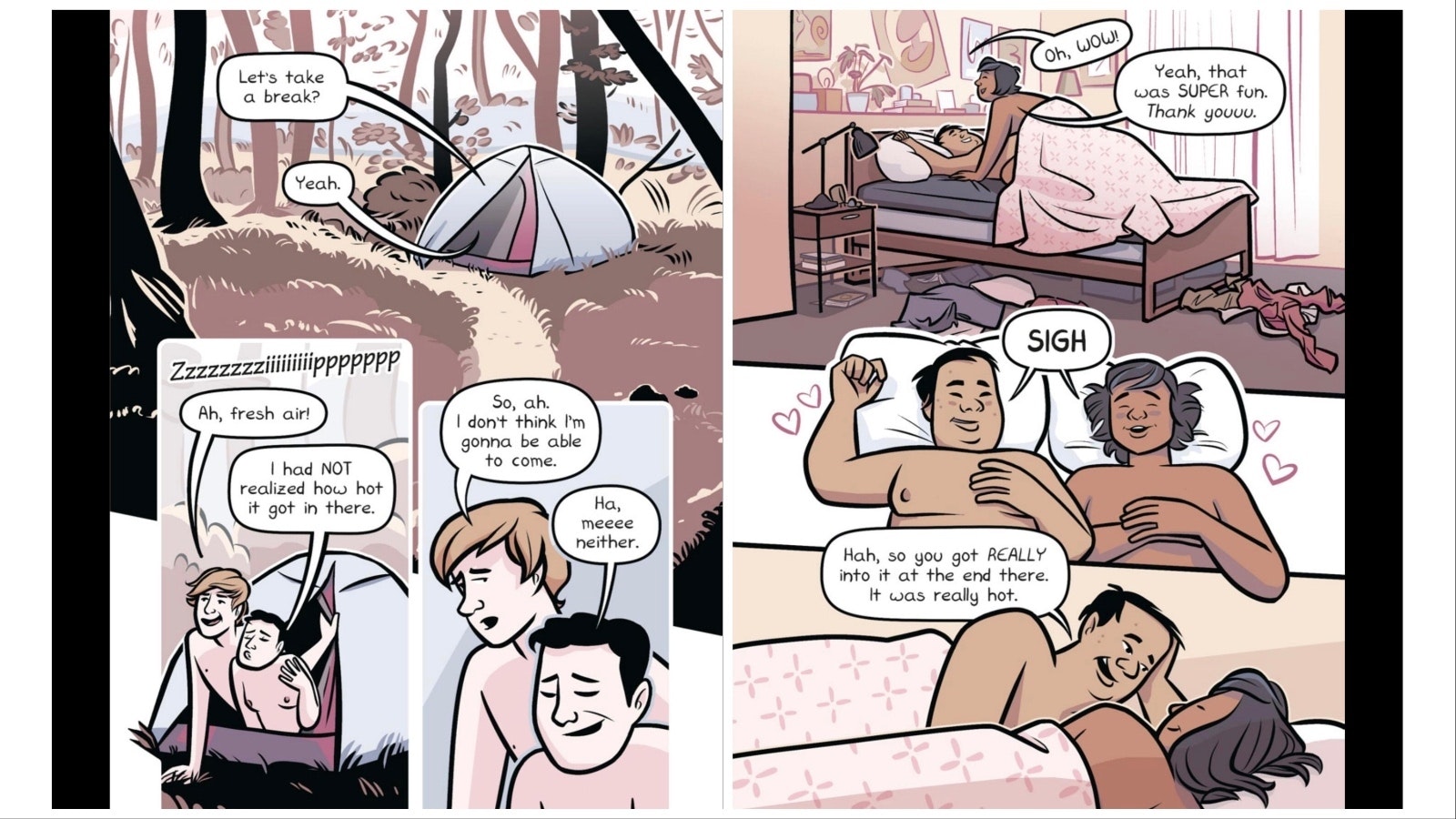
(Cowboy State Daily Staff) 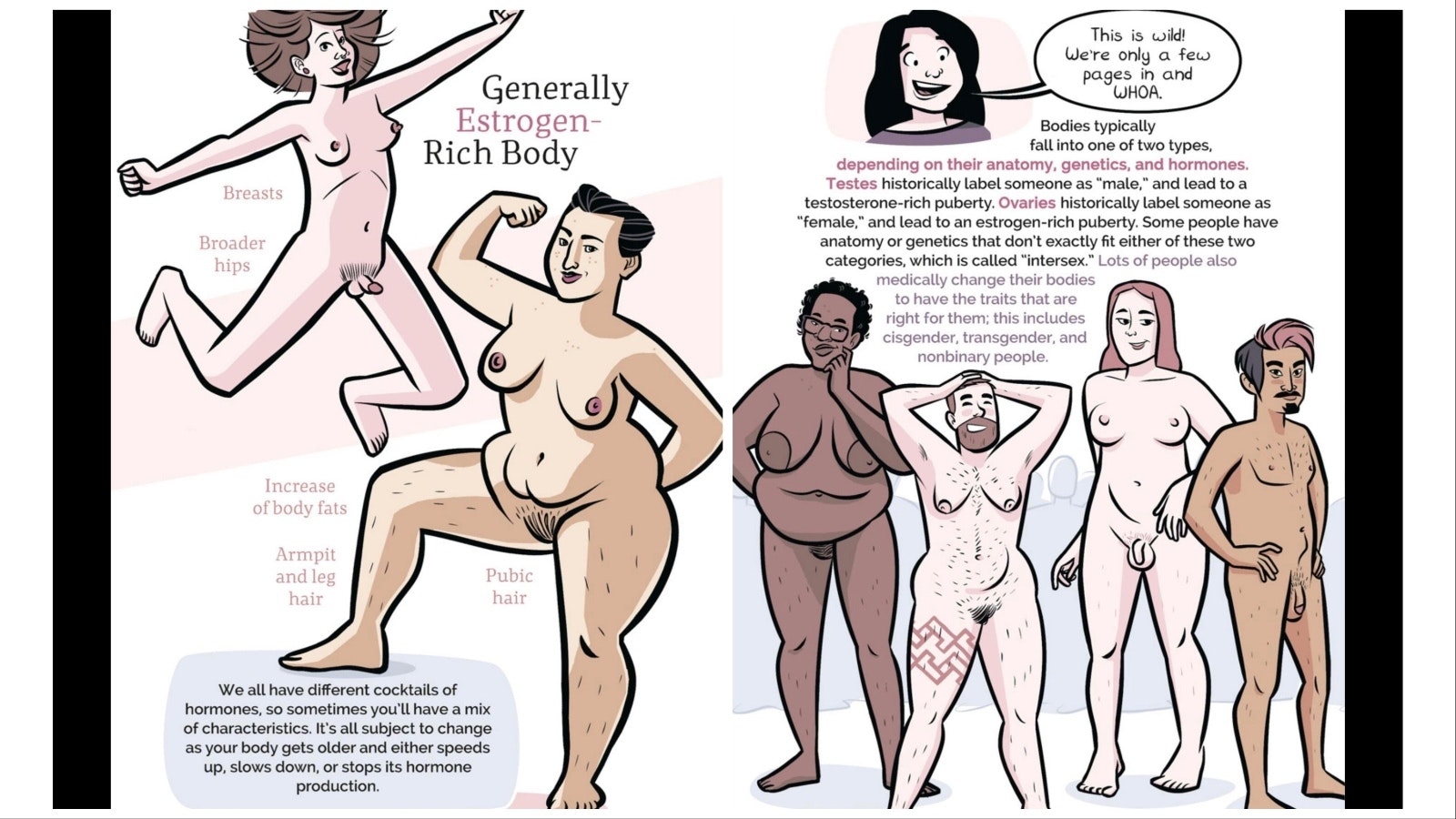
(Cowboy State Daily Staff) 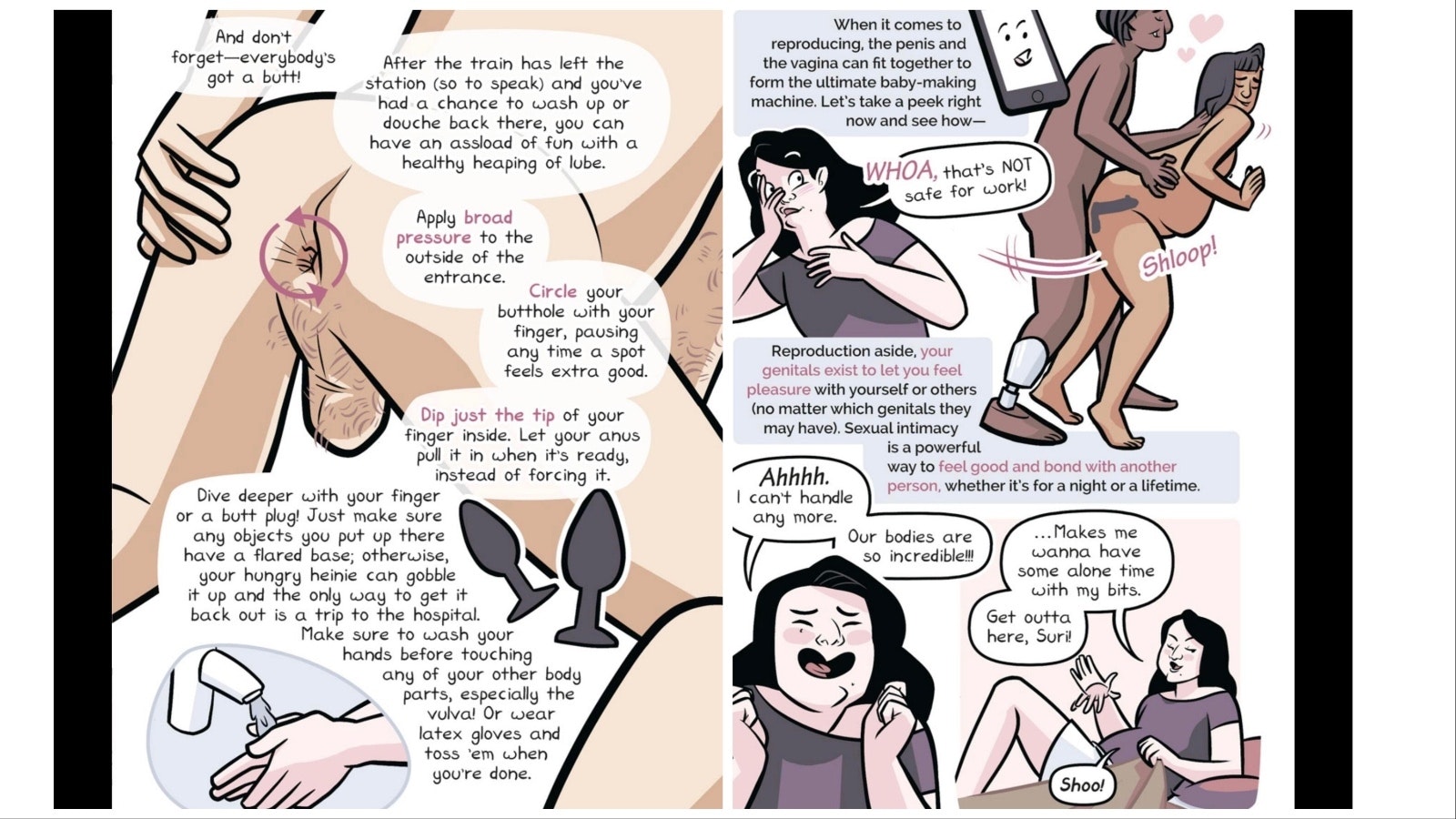
(Cowboy State Daily Staff) 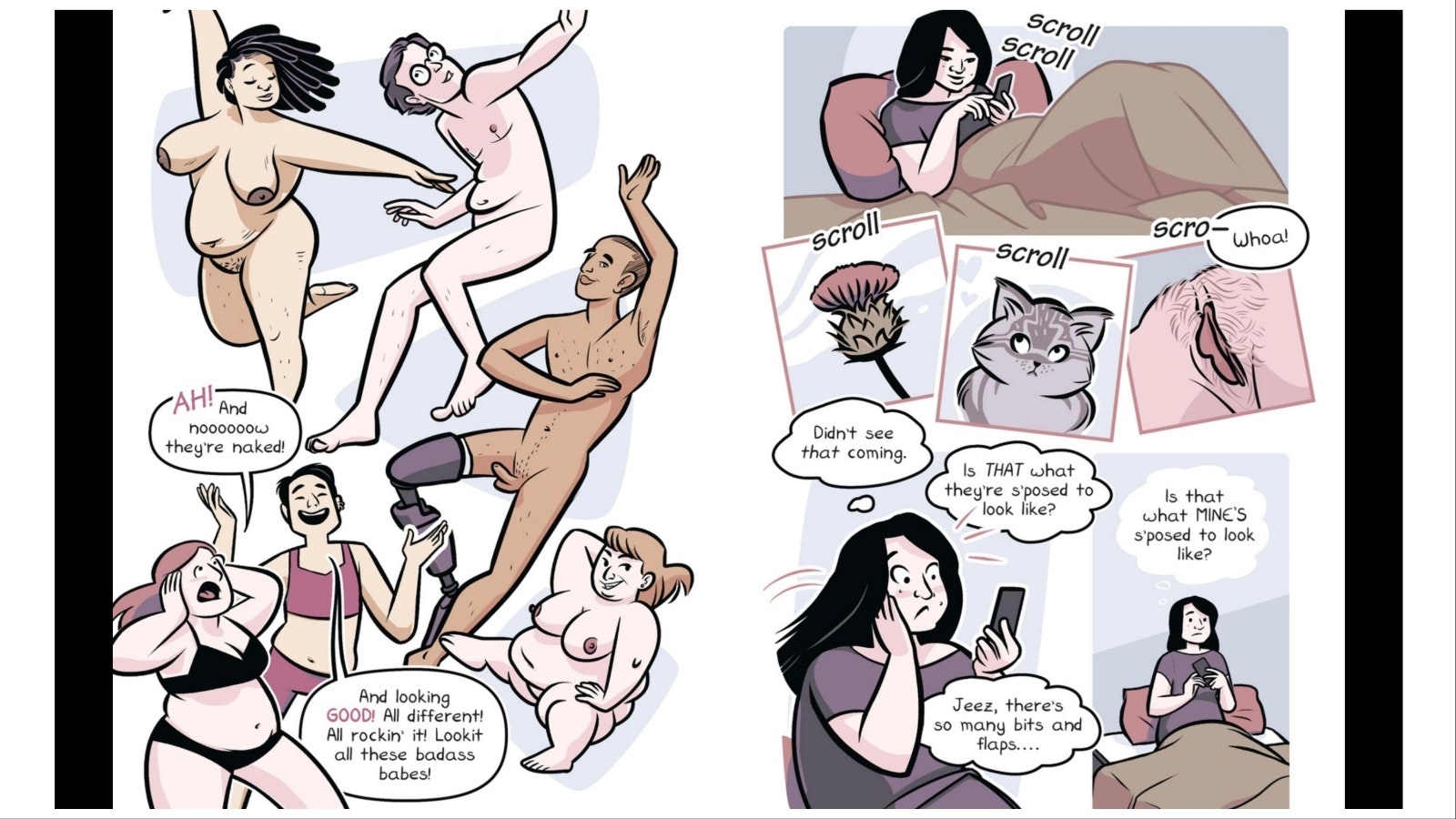
(Cowboy State Daily Staff) 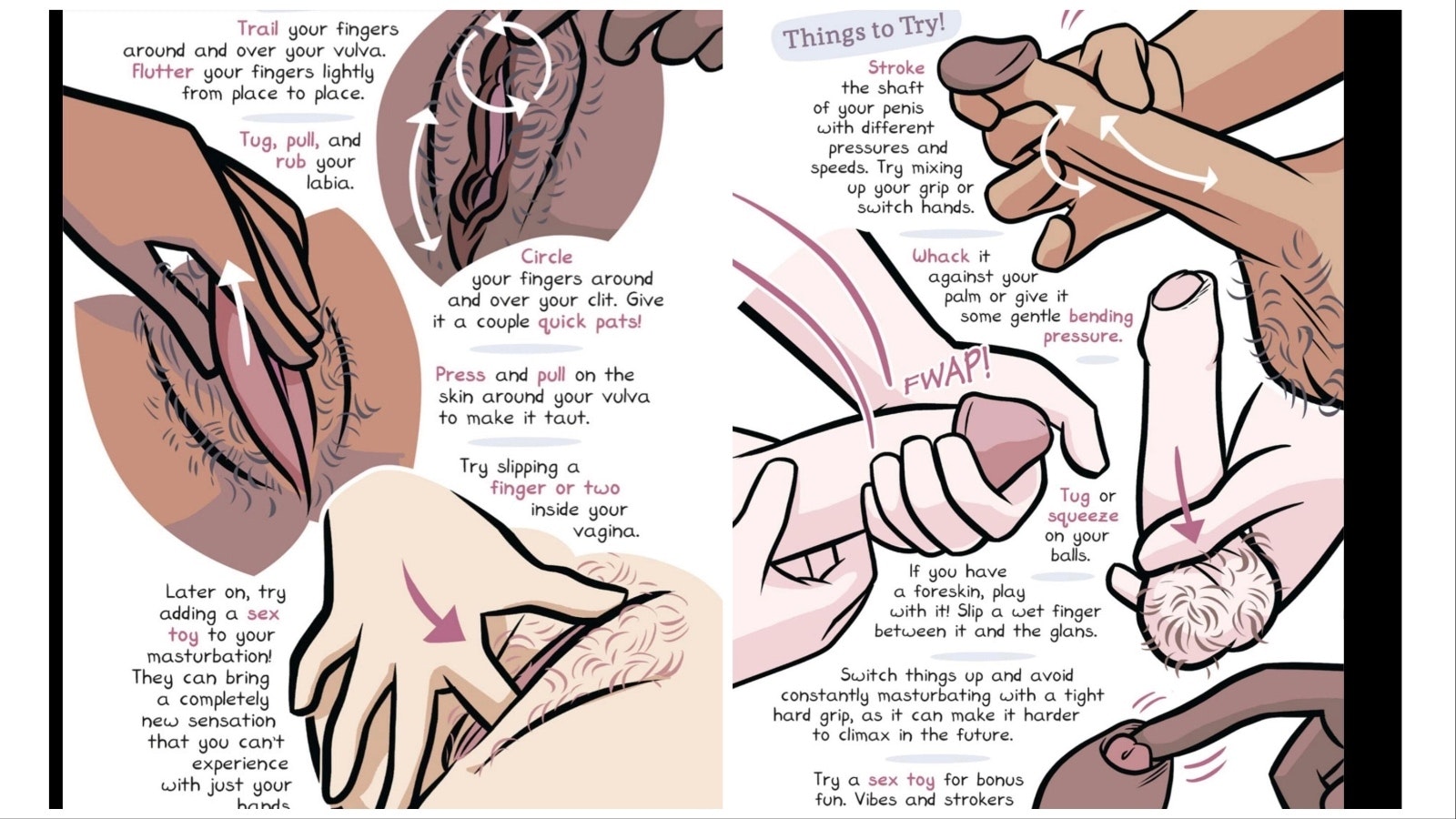
(Cowboy State Daily Staff)
Survey Says …
Jacobs dispatched a Google forms survey May 17 to 228 respondents, including constituents and parents, she said.
“The intention of the survey was for me to ensure that if I am going to propose a policy for our school board to vote on that, there is in fact public support of it and I’m not just making decisions in a vacuum,” she said.
Jacobs' legal counsel said she could send out the survey, but had to indicate it was for her own personal information and didn’t represent the board. She did not use the district email server, and included a disclaimer that it was for her own use, she said.
Jacobs said she’ll share the survey results at the June 20 board meeting. She also has submitted a challenge against “Let’s Talk About It,” but the superintendent has not made a decision on the book yet.
‘Jumping Ahead’
Sarah Reilley, a mother to children in the district and a former English language arts teacher, characterized Jacobs’ survey and her other efforts as dubious.
“The district currently has a pretty solid policy in place with regards to books that might be controversial for families,” said Reilley.
For instance, Reilley said, Jacobs criticized the book during her own trustee-reports segment of a public board meeting rather than bringing her concerns to the librarian first.
“I think it’s really important for the school board to keep in mind this policy exists, and to use it when they find books they disagree with, rather than jumping ahead of the game and taking it directly to the board the way Ms. Jacobs did,” said Reilley.
Jacobs’ complaints cherry-picked controversial portions of the book taken out of context, Reilley added.
To Protect Our Students
Jacobs countered that she has taken the steps outlined in the board policy.
“Where she is gathering her information is unclear as (whether I approached teachers and administrators) would not be something she would be privy to,” said Jacobs, of Reilley.
“I think as a public citizen and a mother, I had a right to share at a public meeting my concern regarding a book,” said Jacobs. “as an elected school board member I am entrusted to create and vote on policies and procedures to protect our students and district.”
New Survey
Reilley said she found Jacobs’ survey “incredibly biased” and felt that Jacobs didn’t disseminate it broadly enough, or leave it open long enough.
The survey opened May 17 and closed May 21, Jacobs said.
Reilley hesitated and didn’t fill out the survey right away. She said, “I wanted to consider my responses, because it was so biased.”
But when she went back to finish the survey, it had ended.
“And I know a lot of people who really wanted to respond to it but didn’t get a chance,” she said.
So Reilley launched her own survey asking people if they believe some school library books “should be banned for ALL students,” if they believe school board members should follow board policies, if parents should be able to opt their children out of some books and if the survey recipients would like to participate in a round-table discussion on the topic.
“So far it’s only about 14% of my respondents that believe we should ban books,” said Reilley, adding that she’s boosted her survey on Facebook so she gets a wide variety of respondents.
“The more informed the community is on the topic, the better we’ll be able to help the school board create a solid and fair policy,” she said.
If Only I’d Known
Both Jacobs and Reilley have read “Let’s Talk About It.” And they have opposite reactions to it.
Reilley said she gathered some sticky tabs and planned to flag any parts she found concerning or problematic.
“I found myself, instead, marking the pages where there was information, or conversation among the characters, that I wish someone had made available to me at that age, in high school,” she said.
Her teaching background also lends insight, she said.
“This book is appropriate for the high school level,” said Reilley, adding that Jacobs’ concerns as a parent are completely valid, yet the book “does handle things in a way that is sensitive and informative.”
And some of the most graphic sections, she said, also are the ones that most emphasize staying safe, staying within the law and being careful.
‘Curating,’ Not Banning
Jensen said he hasn’t yet read “Let’s Talk About It,” but has listened to Jacobs’ concerns.
He also said that “book banning” is “inflammatory” and incorrect terminology for the process the board is discussing. A good policy rather, would implement best practices for “curating” a highly selective collection, he said.
“If (the book) does ultimately get removed from the shelves of the Lander Valley High School, that is not banning a book,” said Jensen. “There’s no consequence if a kid were to buy that book and have it in their backpack and share it with a friend. It just wouldn’t be deemed one of the best 10,000 books to have on our shelves.”
There are about 150 million book titles in the world, Jensen said. Compared to that, the high school’s “small, curated collection of material meant to add to the value of the school” is infinitesimal in size.
“We have in no way ‘banned’ all the other millions of books that aren’t in the library,” he said. “And you’d be hard-pressed to find somebody that doesn’t think there’s some line of appropriateness where you wouldn’t want to cross that line and include that in a school library.”
None of the other Fremont County School District No. 1 board members responded Thursday to Cowboy State Daily emails requesting comment, except for board member Aileen Brew, who referenced the board's existing policy.
Also, Here And Here
According to state card catalogues, “Let’s Talk About It” is also available in the following public libraries:
- The Teton County Library, young-adult nonfiction section.
- The Glenrock library young-adult nonfiction section.
- The Cheyenne library teen section.
- The Natrona County Public Library young-adult collection.
- The Park County Library young-adult nonfiction section.
- The Sheridan County Fulmer branch, nonfiction section.
- The Sweetwater County Rock Springs Library, young-adult nonfiction section.
Campbell County Public Library’s young-adult collection and the Albany County bookmobile both list copies, but say they’re unavailable.
Contact Clair McFarland at Clair@CowboyStateDaily.com