A Rock Springs couple’s lawsuit against their school district for allegedly gender transitioning their daughter behind their backs is galvanizing some Wyoming lawmakers to outlaw keeping parents out of those decisions.
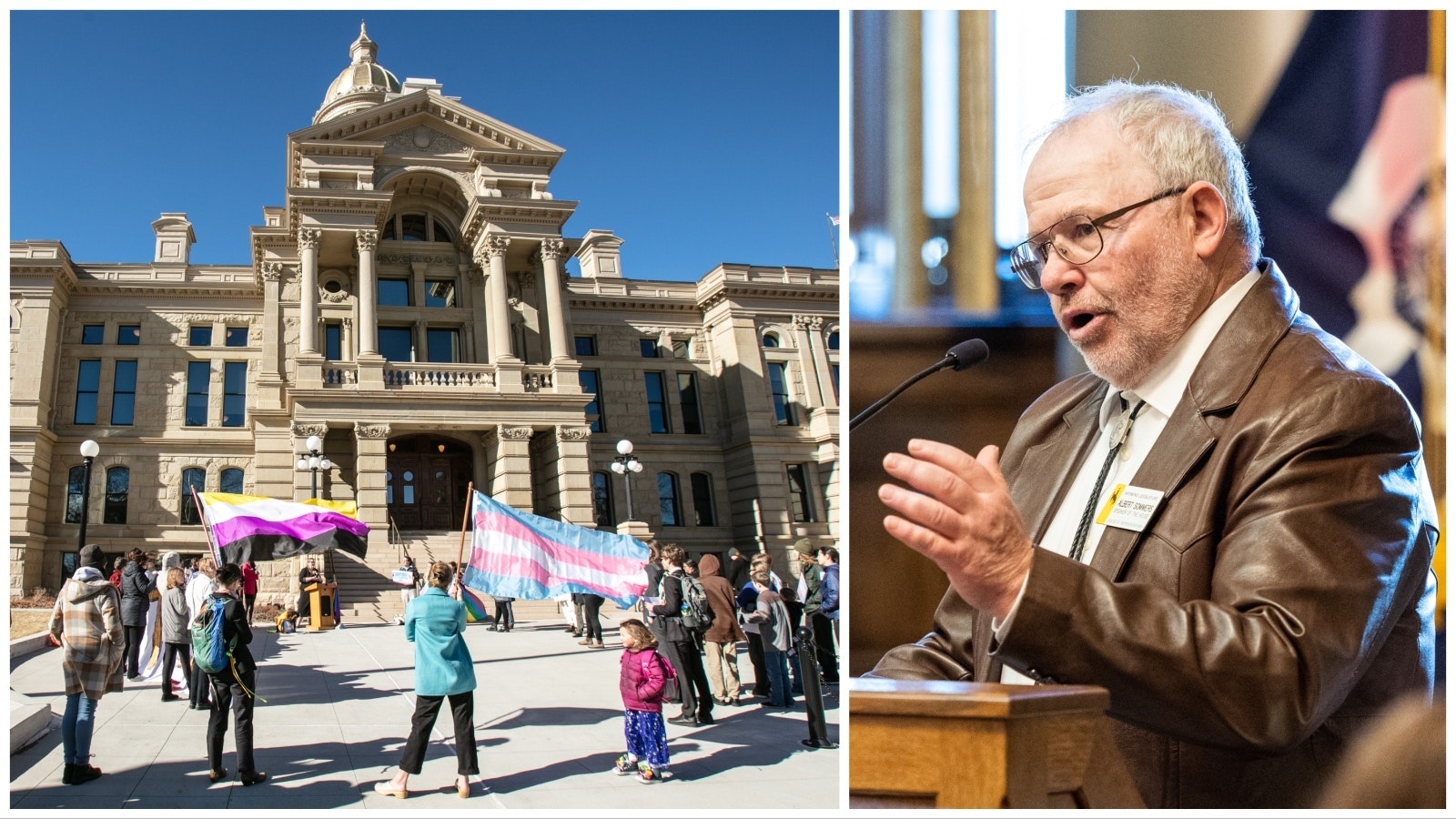
Sen. Dan Dockstader, R-Afton, told Cowboy State Daily he plans to reintroduce Senate File 117, the Parental Rights in Education Act, which failed when state House Speaker Rep. Albert Sommers, R-Pinedale, kept it from reaching the House floor this year.
Wyoming’s next lawmaking session is in 2024.
“Now we have a case where something happened,” said Dockstader, saying that’s “all the more reason to have a piece of legislation.”
Lawsuit Puts Issue In Focus
Dockstader said the lawsuit lends fresh public support to his bill, and some parents have been clamoring for Dockstader to reintroduce the act since it failed in February, weeks before the lawsuit was filed.
Modeled after a Florida law detractors call “Don’t Say Gay” legislation, the act would ban schools from teaching sexual orientation and gender identity themes to children in grades kindergarten through third.
It also would require school districts to inform parents of changes to students’ mental health treatment — a provision that could prevent schools from keeping gender transitions secret from parents.
Dockstader told Cowboy State Daily when he first introduced the bill that he didn’t know any instances of gender identity and sexual orientation being taught to the youngest school children.
That’s still the case, he said. The Rock Springs lawsuit concerns a high school girl.
But the bill’s transparency provisions would still address the controversy because those provisions apply to all grades.
“My whole intention would be, we’re still going to go back to the parents and say, ‘You have some rights with your student in the classroom setting,’” said Dockstader.
About The Drawer
Sommers kept the Parental Rights In Education Act from reaching the House floor during the 2023 lawmaking session for two reasons, according to his Feb. 26 public statement: The bill would give some powers school boards have to the state, and it may violate Wyoming’s one-topic rule for legislation.
Sommers told Cowboy State Daily on Monday that he’s not sure if he’ll release Dockstader’s bill from his drawer for a House vote in the next session.
“You know I don’t make any decisions on any bills, one: until I read a bill; and two: until that time comes,” he said. “But I do recognize that it is an issue that is galvanizing in the public and an issue that should be debated in the Legislature.”
The shorter schedule of the 2024 budget session may create challenges for fully vetting the issue, Sommers added, particularly if there’s an onslaught of similar bills.
Local Control
Sommers still has reservations about giving up local school board powers to the state, he said.
“I think most of this discussion should occur (at) local boards; local boards reacting to parents and constituents and doing what’s right for parents and children,” he said.
Dockstader disagrees with Sommers that the bill usurps local governmental control.
“I don’t think it does that,” he said. “I think it puts the control in the hands of the parent. That’s where I’m going to stand with that.”
Dockstader said he’s willing to work with Sommers on separating the bill into two or more pieces of legislation to honor Wyoming’s one-subject rule for legislation.
Unpopular Second Topic
Sommers allowed a separate parental rights bill, House Bill 78, to go to the House Judiciary Committee for discussion this past session. The committee rejected the bill without raising it for a vote.
HB 78 didn’t tell schools what they could and could not teach, but it proposed to add educational institutions to Wyoming’s existing parental-rights statute.
If it had passed, educators would be specifically forbidden from infringing on parents’ care, custody and control of their children without showing a clear and compelling government interest, and in that case, they’d have to do so in the least restrictive manner possible.
But the bill contained another section putting judges under the parental rights law, which the Wyoming Trial Lawyers Association and others opposed in a Jan. 20 House Judiciary Committee meeting.
Bill sponsor Rep. Clark Stith, R-Rock Springs, said he’s planning to bring back a parental rights bill next session, and may focus more on educational institutions than the courts.
“What I personally liked about HB 78, aside from just being my bill, was that it was at a very high level,” said Stith. “It did not purport to micromanage the school districts. It just said, ‘You have to honor parental rights.’”
Stith said he’s also willing to consider Dockstader’s bill.
Hometown Issue
When Stith first brought his parental rights bill in 2022 it only addressed the courts. But when he heard in September that his local school district, Sweetwater County School District No. 1, had a policy of not telling parents about kids’ gender transitions, he added the education portion to the 2023 version, he said.
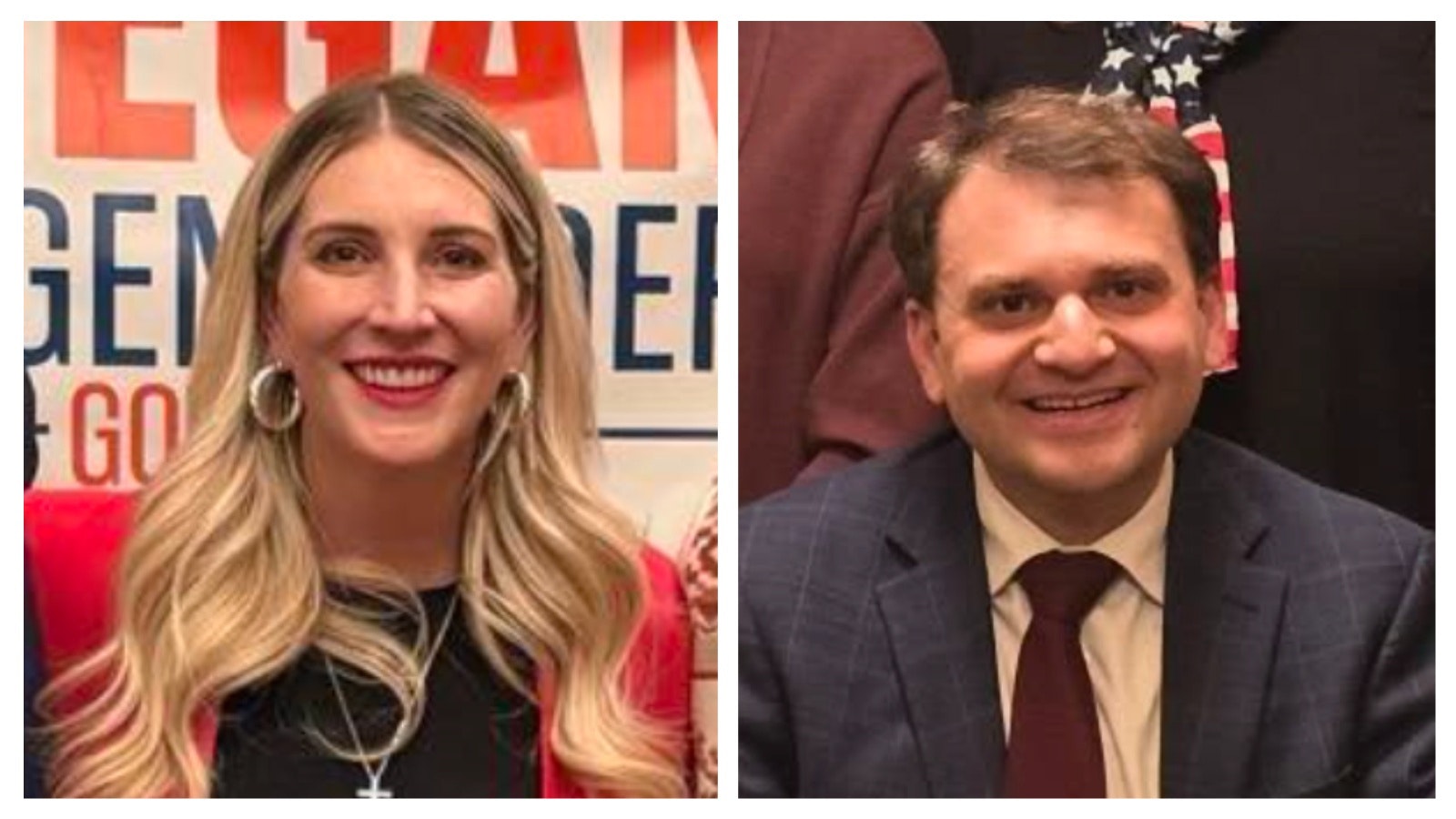
Stith lives in the same town as Sean and Ashley Willey, the Rock Springs couple suing the school district.
Sean Willey made headlines in September by confronting the school board at a public meeting, about seven months before he and his wife filed their lawsuit. Willey told the school board that staffers are exacerbating challenging mental issues in some children when they choose to hide social gender transitions from parents.
The school district told Cowboy State Daily on April 25 it believes the lawsuit is “false” and “fabricated.”
Sparring In Public
The Wyoming Freedom Caucus, a group of Republicans backing social conservative legislation, derided Sommers in a Facebook post after the news of the lawsuit broke, because Sommers had questioned the relevance of the Parental Rights In Education Act to Wyoming in his public statement on the bill.
“Children are allegedly being abused,” reads the caucus’ April 21 post featuring a link to the lawsuit news story. “The Speaker of the House and his allies lied when they told you that this isn’t happening here.”
Sommers told Cowboy State Daily the Freedom Caucus’ post is inaccurate.
He said in his statement that Wyoming schools aren’t teaching the controversial themes to children in grades three and younger.
“They were insinuating that I somehow didn’t think that transgender students were (around) in Wyoming,” he said. “But what I had said in my press release, and I was very clear about this, was that I didn’t believe teachers were teaching any transgender issues in K-3. And I still don’t think that’s the case unless somebody can tell me I’m wrong.”
Wyoming Freedom Caucus Chairman Rep. John Bear, R-Gillette, countered, saying Sommers may not have spoken of the older grades in his statement, but “he said it on the floor many, many times.”
Sommers denied Bear’s claim altogether.
“The only comment that I know that I made during session (on transgender teaching in schools) was in that press release,” he said. “So I don’t know what he’s talking about.”
Transparency, Though
The issue in Rock Springs, Sommers continued, does relate to the bill’s parental rights provisions addressing all grades.
Bear agreed with that.
Sommers noted that Stith’s bill, which some Wyoming Freedom Caucus members on the House Judiciary Committee rejected, also could have mitigated the alleged events in Rock Springs.
Stith theorized that Wyoming Freedom Caucus members disliked his bill because they favored Dockstader’s lengthier and more specific bill.
“That’s an example of where the better is the enemy of the good,” said Stith.
Bear said he couldn’t speak for the whole caucus, but he believes most of the perceived problems with Stith’s bill came from its portion dealing with courts, not schools.
Least Restrictive Means
Though Stith is going to focus more on schools going forward, he said he believes placing courts under the parental rights statute is also important.
Had his bill passed, courts could still interfere in parents’ custody and control of their children as they do now in custody cases. But they’d have to show that they are doing so in the least restrictive means possible.
Multiple opponents at the Jan. 20 meeting on Stith’s bill, however, said it could decrease courts’ authority to limit visitation and other privileges for abusive parents.