Wyoming’s governor and attorney general are opposing an effort by Secretary of State Chuck Gray to help defend the state’s abortion ban in court.
Gray on April 6 asked Teton County District Court Judge Melissa Owens to let him and others intervene in a case against Wyoming’s newest anti-abortion laws, which include a ban on nearly all abortions and a separate ban on chemical abortions.
Wyoming’s executive branch Tuesday asked Owens to deny Gray’s request, saying Gray is attempting to exceed his legal duties as secretary of state.
“In (his official) capacity, he has no legal authority to intervene in this case,” says a Tuesday filing by Attorney General’s office deputy Jay Jerde. “Public officers such as the Secretary of State, ‘have, and can exercise only such powers as are conferred on them by law.’”
Wyoming law defines the secretary of state as a custodian of public documents, laws and state declarations, and state property, along with being keeper of the state seal. He’s also second in line to be governor if Gov. Mark Gordon is unable to serve.
Gray would need a change of law to participate in the case, Jerde argues in the filing.
“State defendants know of no Wyoming statute that authorizes the secretary of state to intervene in the lawsuit to defend the constitutionality of a state statute,” he wrote.
Owens is scheduled to hear Gray and other would-be intervenors’ arguments to join the case May 24.
‘Muddy The Waters’
Besides opposing Gray’s request on legal grounds, Gordon and Attorney General Bridget Hill oppose it for practicality reasons, Jerde’s filing says.
“Gray’s part in any official capacity would muddy the waters of who speaks for the state of Wyoming and her executive branch in a lawsuit challenging the constitutionality of a Wyoming statute” says the filing, adding that authority belongs to the governor.
The attorney general, Jerde added, has the right to defend laws when they’re challenged.
‘Outrageous Arguments’
Gray told Cowboy State Daily in a Thursday text that the attorney general isn’t doing enough to defend the ban and he, Gray, should be able to intervene because he swore an oath to the Constitution on Wyoming’s behalf and is custodian of the state’s laws.
“Just as the attorney general’s heart wasn’t in our efforts to protect our coal commerce rights with Washington state, I fear the attorney general won’t fight this case as hard as the people of Wyoming are demanding,” said Gray. “We should be doing everything we can to counter the outrageous arguments being brought by the radical Left in this case.”
The plaintiffs filed their civil case in Teton County, which has a higher percentage of Democrats than any other Wyoming county.
"My concern about the Attorney General's heart in this case is supported by them not even attempting to change the venue of the case from Teton County," said Gray.
'Grandstanding'
Gordon countered, telling Cowboy State Daily that Gray's involvement is not the way to win the case.
"Grandstanding for the public does not sway judges or win court cases," said Gordon in a Thursday email to Cowboy State Daily. "Strong legal arguments do."
Attorney General Bridget Hill is "defending Wyoming admirably, and her arguments in this case are being recognized and applauded," Gordon said.
Wyoming devoted extensive resources to fighting Washington's denial of coal terminal permitting in a case that went to the U.S. Supreme Court, Gordon said.
"If there was any fault in the proceeding, it was with the Trump-appointed Solicitor that failed the people of Wyoming by delaying," he said. "Any statements made by the Secretary (Gray) that suggest otherwise are completely inaccurate."
The U.S. Supreme Court invited former President Donald Trump's Solicitor General Jeff Wall in October of 2020 to submit a brief on behalf of the United States in Wyoming's case against Washington state, in which Wyoming fought to access coal ports.
Wall did not, according to the case docket, but President Joe Biden's acting Solicitor General responded to the invitation the following May - after the company hoping to ship Wyoming coal had already filed for bankruptcy. Biden's solicitor asked the court to deny Wyoming's request to file a bill of complaint with the high court.
One month later, the Supreme Court did deny Wyoming's request.
Legislators, Pro-Life Group OK
Gordon and the attorney general do not oppose other would-be intervenors requesting to join the case.
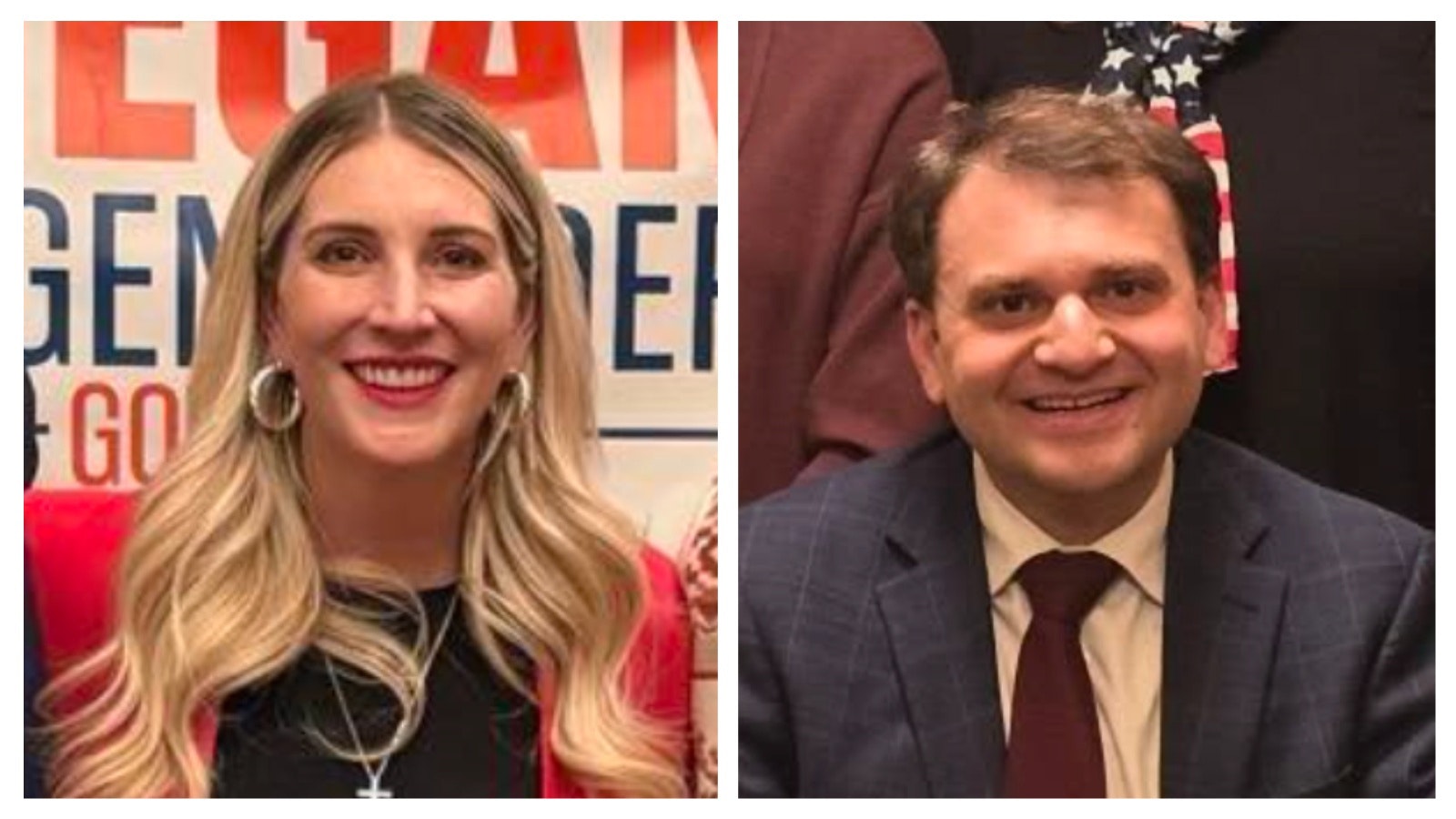
Rep. Rachel Rodriguez-Williams, R-Cody, and Majority Floor Leader Rep. Chip Neiman, R-Hulett, both seek to join the case along with Gray, as does pro-life group Wyoming Right To Life.
The executive branch has no problem with this, wrote Jerde, but disagrees with the parties’ argument for why they need to join.
The legislators and pro-life group argued that they have experience with abortion issues as longtime pro-life activists, volunteers and counselors, and they can bring evidence in defense of the law at a trial or hearing.
There shouldn’t be a trial or hearing to hash out evidence, Jerde wrote, because the issue is a strict interpretation of the law and Constitution.
Jerde said that Owens can look to historical and other circumstances if she finds the law ambiguous, but beyond that she should simply decide whether the two bans are constitutional.
“Holding an evidentiary hearing or a formal trial is at odds with the nature of the issues in this case because, no matter how you look at it, this case involves only questions of law,” wrote Jerde.
The plaintiffs and defense will present outside facts to Owens as necessary to advise her, he said, but they shouldn’t have to hash out evidence at a trial.
Not Enough
Like Gray, all proposed intervenors argue in their filing that the executive branch isn’t doing enough to defend the ban.
“It is clear from the attorney general’s previous briefing (in a similar case last year), as well as its arguments in that case, that its focus in defending the law has been strictly a legal one,” reads the group’s filing in support of its motion to intervene.
Jerde didn’t spend a lot of time rebutting the plaintiffs’ attorneys at a March hearing where Owens considered blocking the ban from going into effect.
“I think, suffice it to say, I disagree with just about everything (the plaintiffs’ attorney) said,” said Jerde at the time, “but we’re pretty late in the day and I don’t know that it’s going to benefit the court if I go through and take on point by point.”
Owens did block the ban from going into effect soon after the hearing.
“(Jerde’s) response does not suffice,” the intervenors argued. “If granted, intervention would provide evidence and argument to defend their interests and rebut the plaintiff’s claims.”
Owens at the March hearing denied the proposed intervenors’ request to join the lawsuit beforehand.
To win the temporary restraining order against the law as they did, plaintiffs had to show Owens that they were being harmed by the abortion ban. They did that, the judge said.
The Challenge
The plaintiffs in the case include two women in their child-bearing years, an abortionist, another obstetrician/gynecologist who does not perform elective abortions, a nonprofit group that gives women money for abortions and a newly opened Casper abortion clinic.
They filed suit against Wyoming in March, hours after one of the new abortion bans went into effect.
They are alleging that Wyoming’s new ban on nearly all abortions – which Owens has paused — is impermissibly vague, unconstitutional and violates religious freedom and the promise of equal protection for similarly-situated citizens under the law.
The plaintiffs also say abortion on demand is a fundamental right and is constitutionally protected health care, according to court documents.
Owens has not ruled on whether abortion is health care. The issue is central to the case because the Wyoming Constitution promises residents the right to make their own health care decisions, but lets the Legislature limit that right for the health and welfare of the people.